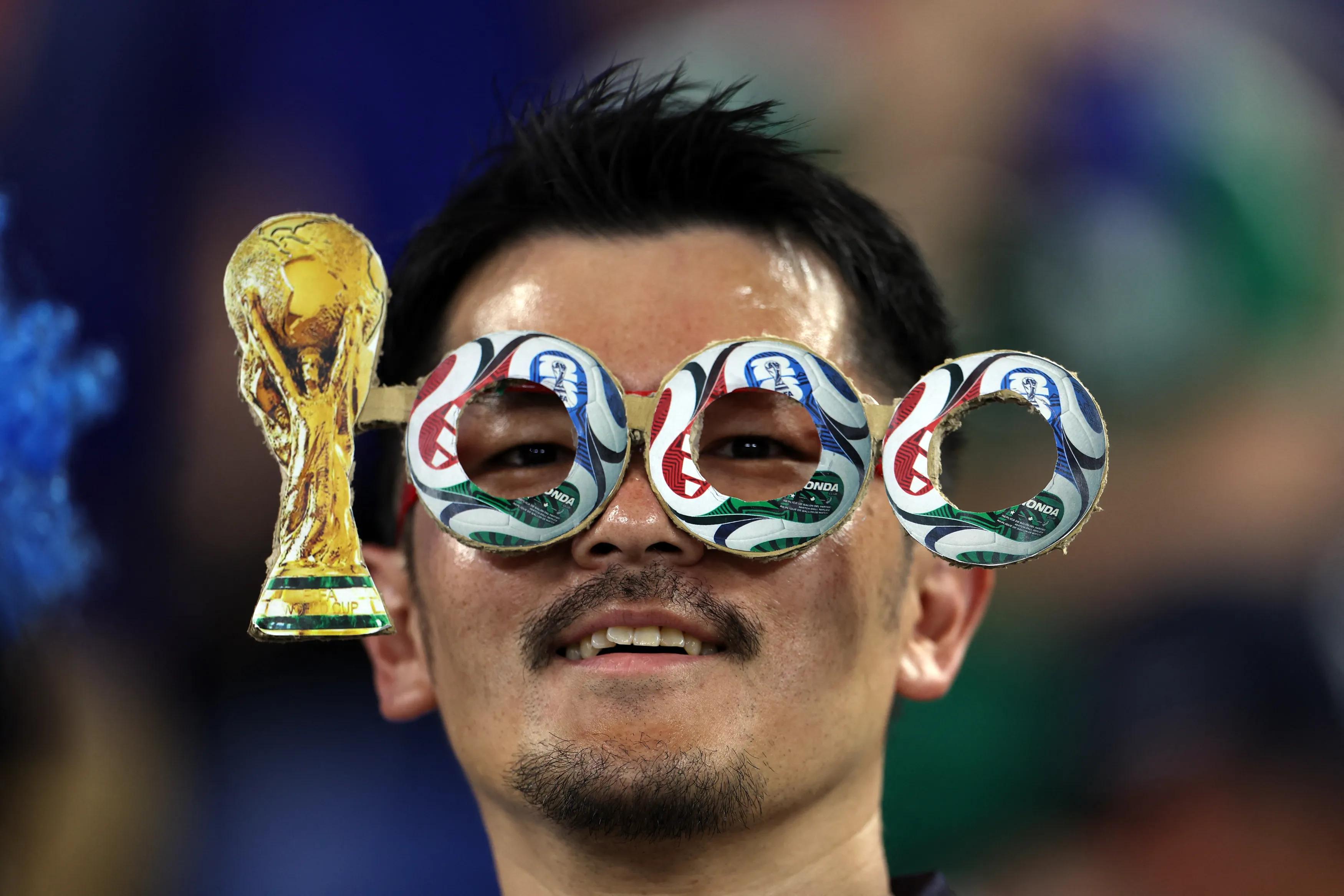
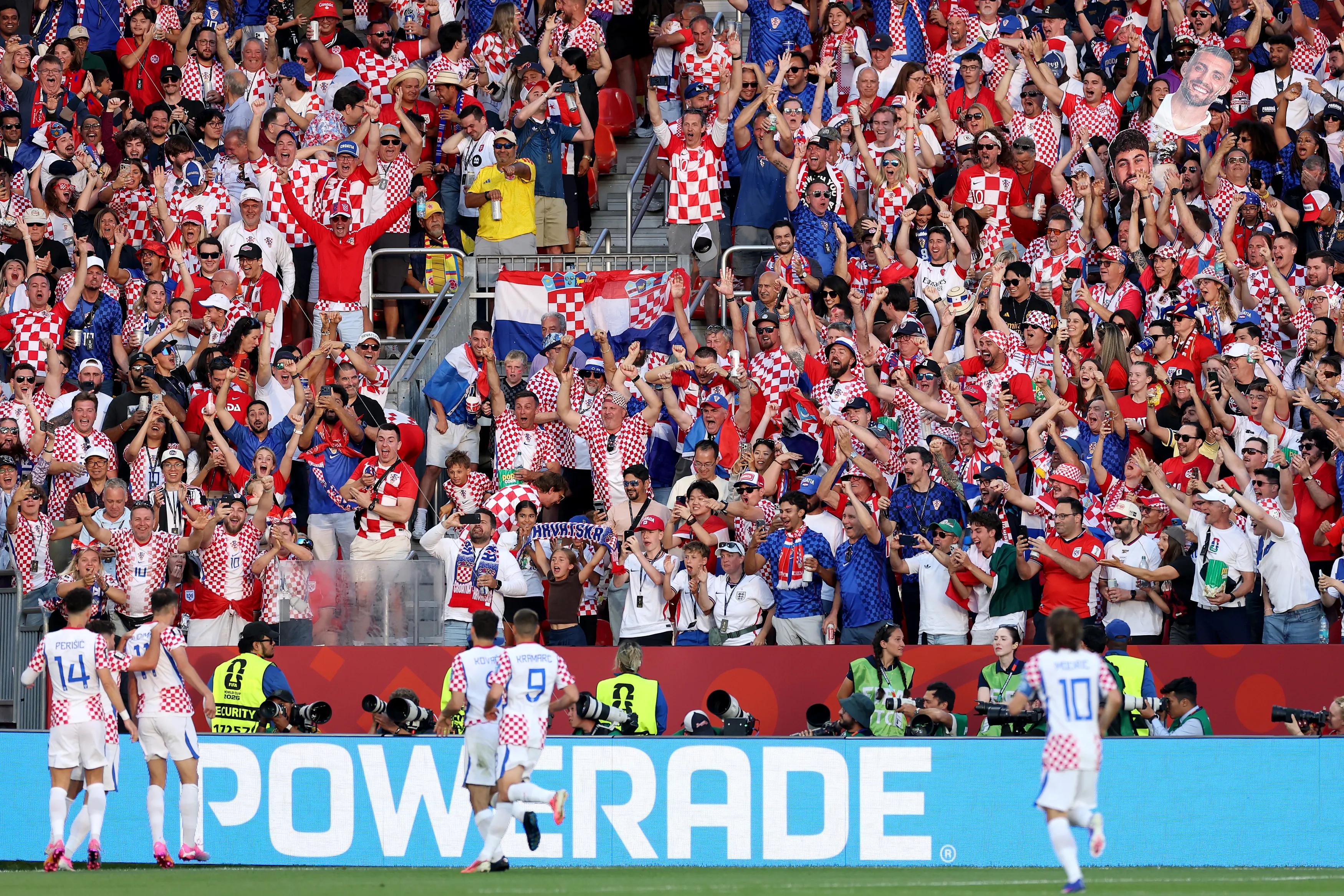
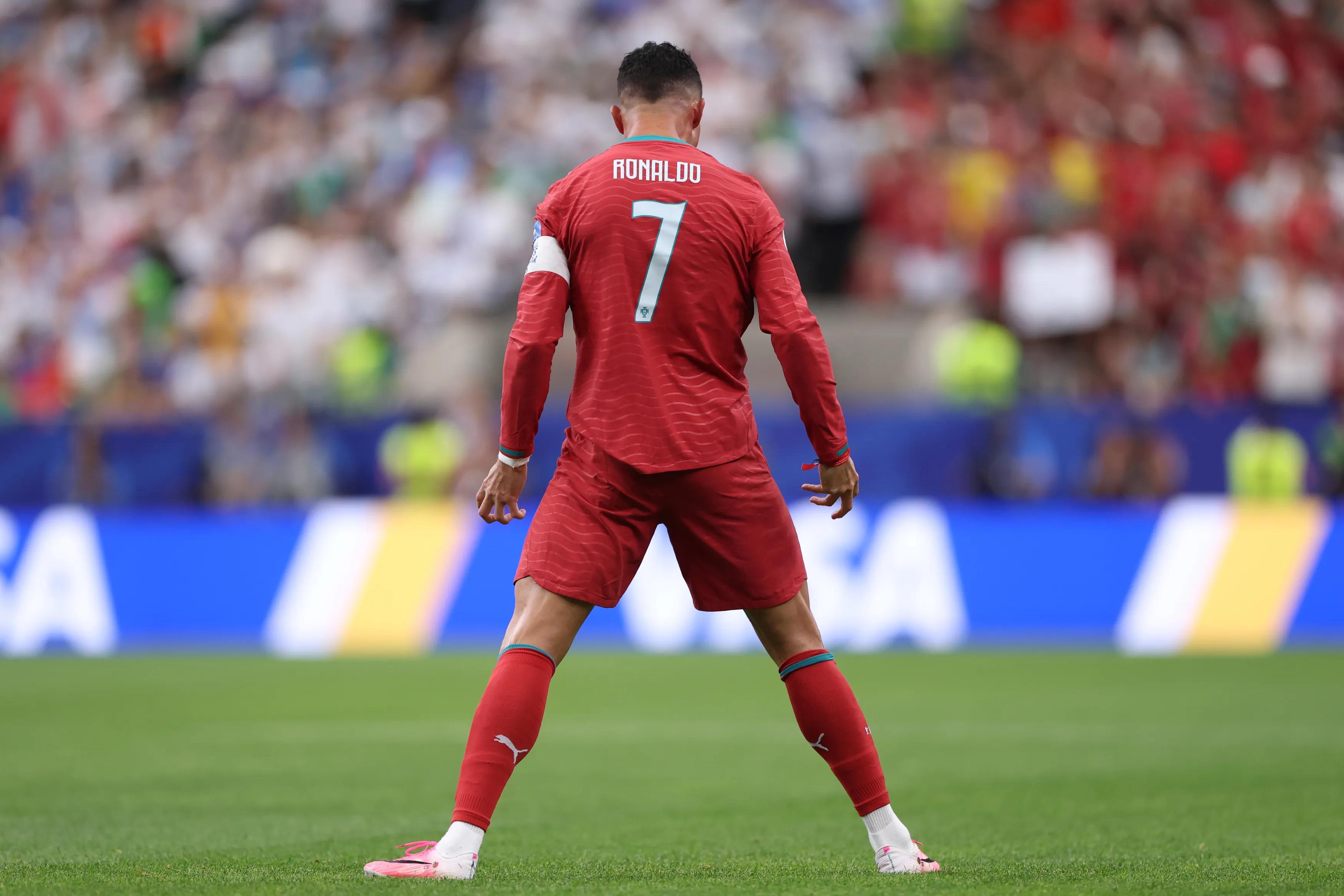
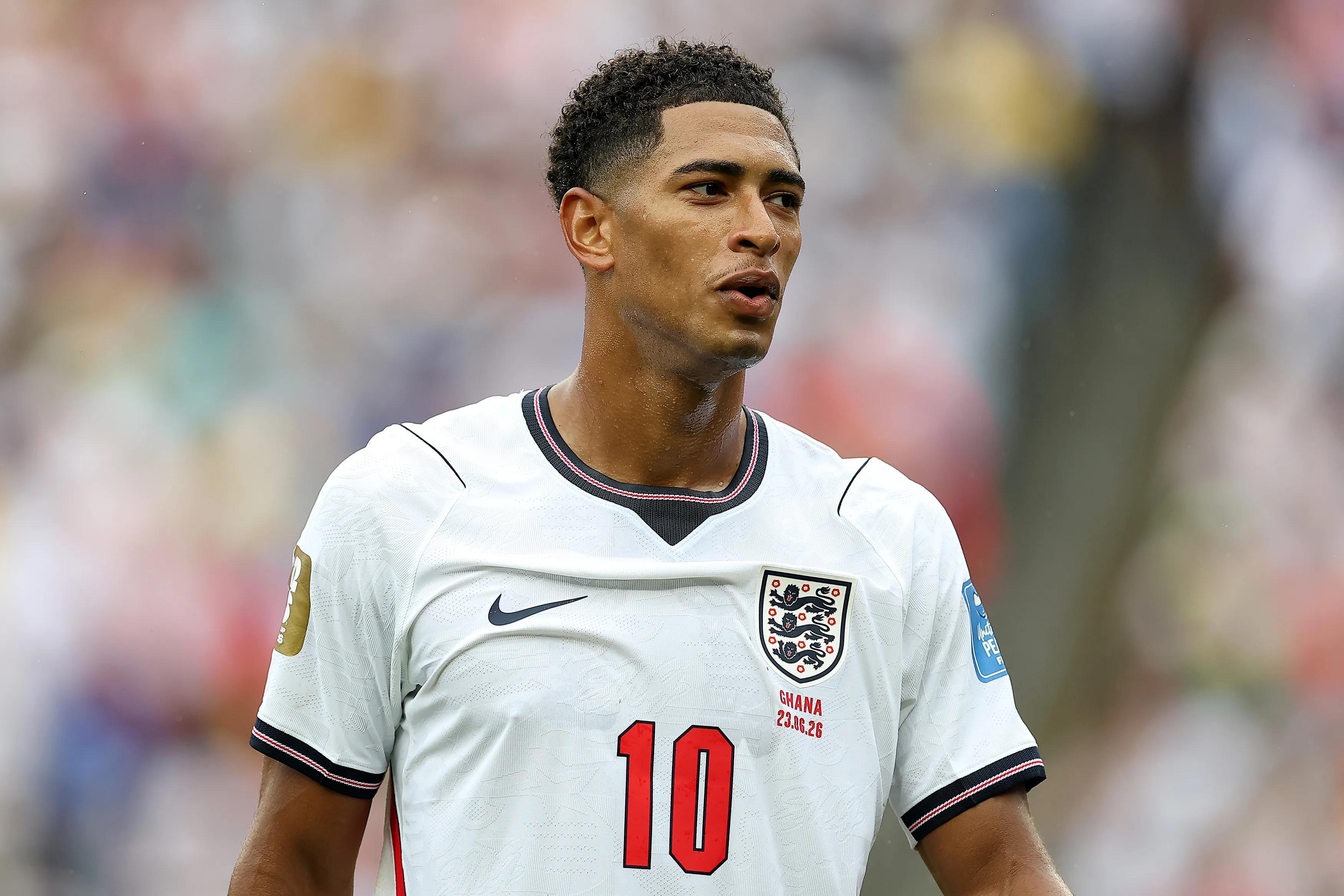
Matchday 10 of the FIFA World Cup 2026 offered a carousel of images that felt both fresh and familiar. The Netherlands' five-goal demolition of Sweden brought back memories of Clockwork Orange teams from 1974 and 1988, when Dutch football seemed to operate on a higher aesthetic plane. Cody Gakpo and Tijjani Reijnders celebrated with the casual joy of men who understood they were continuing a tradition older than themselves. Germany's last-gasp winner against Côte d'Ivoire, scored by Deniz Undav in stoppage time, produced an embrace between Joshua Kimmich and Manuel Neuer that recalled decades of German resilience. From Gerd Müller's predatory instinct to Mario Götze's chest and volley, Die Mannschaft have built a mythology around finding ways to win when the clock turns red. The photograph of Kimmich and Neuer, playing their 396th match together, is a study in continuity. Eloy Room's record-equalling sixteen saves for Curaçao against Ecuador placed him in the company of goalkeeping legends like Lev Yashin and Gordon Banks, men who defined matches through sheer defiance. The Curacaoan captain known as Captain Blue Face cheering from the stands captured the carnival spirit that Roger Milla brought to Cameroon in 1990, when corner-flag dances became as famous as victories. Even the pre-match ceremony, with Artemis II astronauts placing the official ball before Netherlands versus Sweden, nodded to the 1968 Apollo missions and humanity's habit of reaching for the stars while also loving the earthbound drama of football. The Monterrey milestone, marking the tournament's 1,000th match, connected 1930 Montevideo with 2026 North America. As the FIFA World Cup 2026 continues across the United States, Canada and Mexico, Matchday 10 reminded us that every snapshot is a doorway into history. Beyond the goals and saves, the small details of Matchday 10 carried their own historical resonance. The orange shirts in Houston recalled the generations of Dutch fans who have never stopped believing that their team could paint a masterpiece. The German substitutes erupting from the bench mirrored the discipline and unity that carried West Germany to glory in 1954, 1974 and 1990. Even the tournament ball, carried by astronauts, became a symbol of how the World Cup has always reached for symbolism: the Telstar of 1970, the Azteca of 1986, the Tricolore of 1998. Each object tells a story, and Matchday 10 added another chapter to a narrative that stretches across nearly a century of shared human experience.
🔥 HEADLINES
Matchday 10 snapshots: echoes of Milla, Kluivert and World Cup lore
HOME
VS
AWAY
?-?
POSS: 44% / 56%
SHOTS: 6 / 11