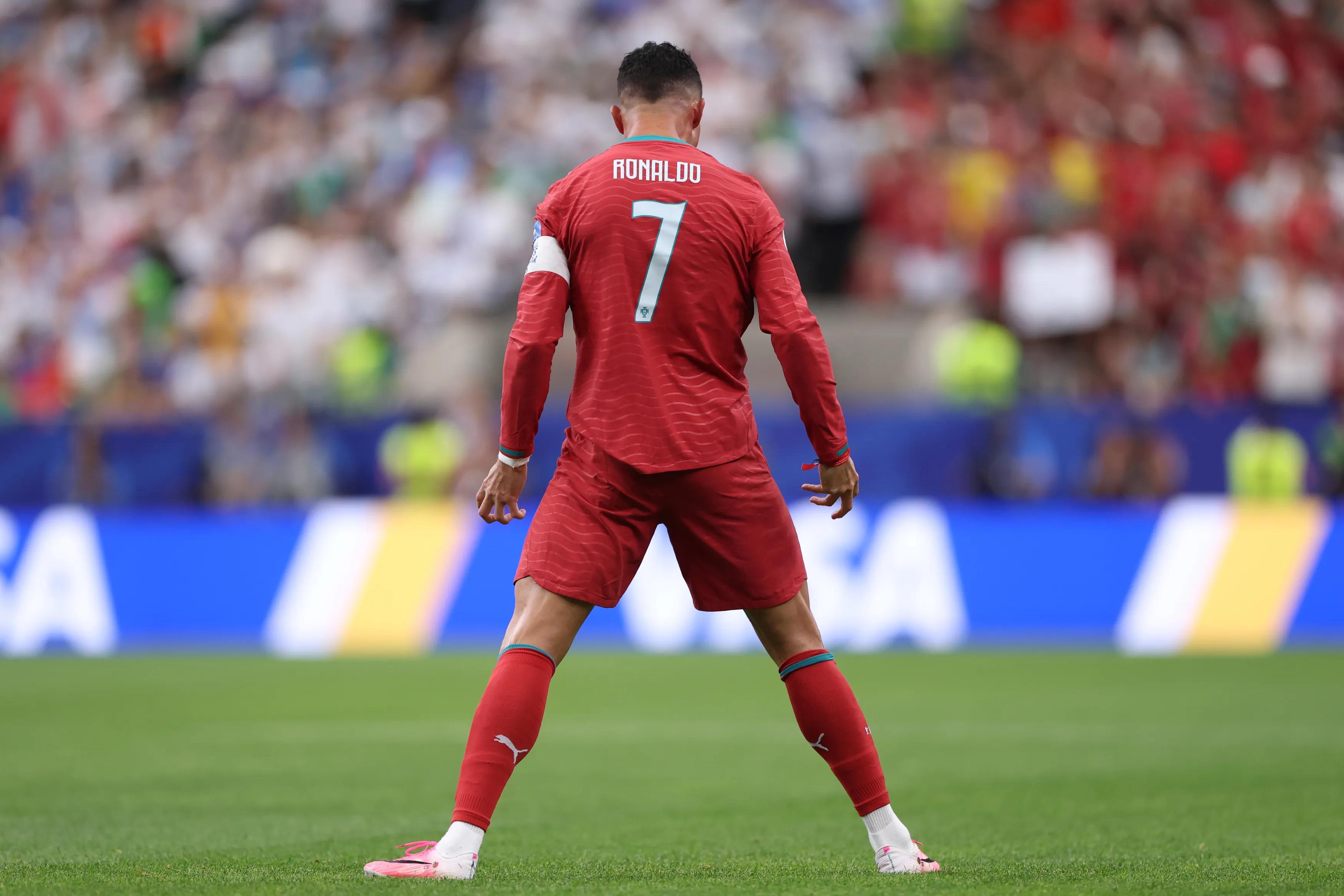
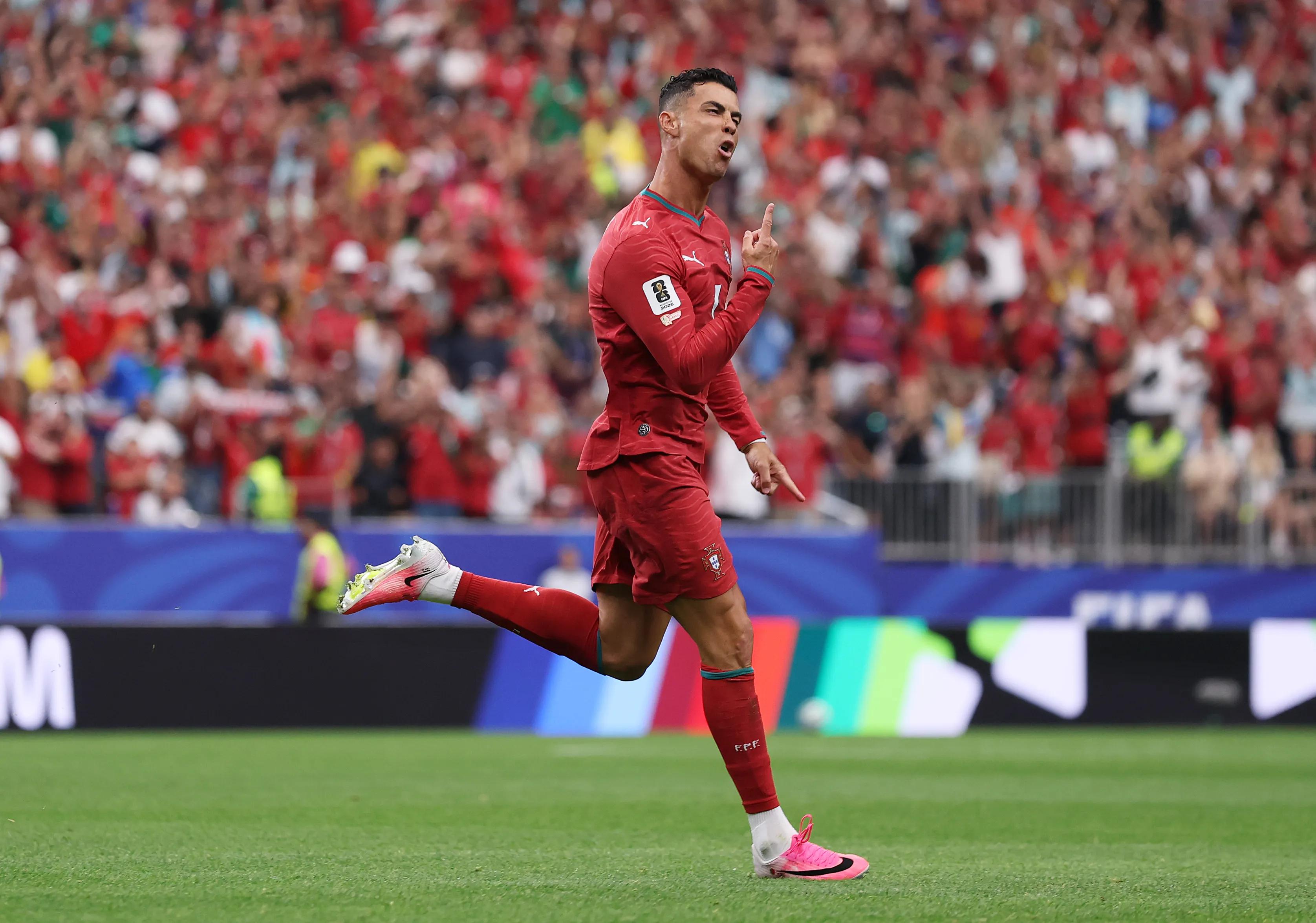
Football loves to remind us that time is both enemy and ally. In 1994, Roger Milla danced to the corner flag at Stanford Stadium and became the oldest scorer in World Cup history, a 42-year-old Cameroonian who turned the tournament into a celebration of longevity. Three decades later, the global finals have crossed continents to the United States, Canada and Mexico, and another icon has decided that calendars do not apply to him. Cristiano Ronaldo's brace against a determined Central Asian side did more than secure a comfortable Portuguese victory; it etched his name alongside Milla in the sport's mythology of endurance. At 41 years and 138 days, he became only the second player to find the net at such an advanced age on this stage, and the first man ever to score in six different editions of the FIFA World Cup. Where Milla electrified through unpredictability and joy, Ronaldo dominated through sheer will, converting a close-range finish and a composed strike into a statement that retirement remains a foreign concept. The record also carries a national echo. In 1966, Eusebio's nine goals carried Portugal to a sensational semi-final. Ronaldo has now moved past that mark, becoming the Selecao's most prolific scorer at the global finals. Some critics argued the sands were shifting toward younger superstars; instead, the 2026 tournament has witnessed a familiar script: experience rewriting history one goal at a time. As the group stage unfolds across North America, one truth is already clear—greatness does not expire, it simply finds new records to break. Milla's corner-flag dance in 1994 was a joyful rebellion against the idea that football belongs only to the young; Ronaldo's brace in 2026 is a disciplined refusal to hand the stage to a new generation before his own curtain falls. Together they span three decades of World Cup memory, linked by the stubborn belief that age is merely a statistic. The tournament across the United States, Canada and Mexico continues to reward that belief.
⭐ PLAYERS
From Milla to Ronaldo: The Ageless Art of World Cup Scoring
HOME
VS
AWAY
?-?
POSS: 57% / 43%
SHOTS: 8 / 18