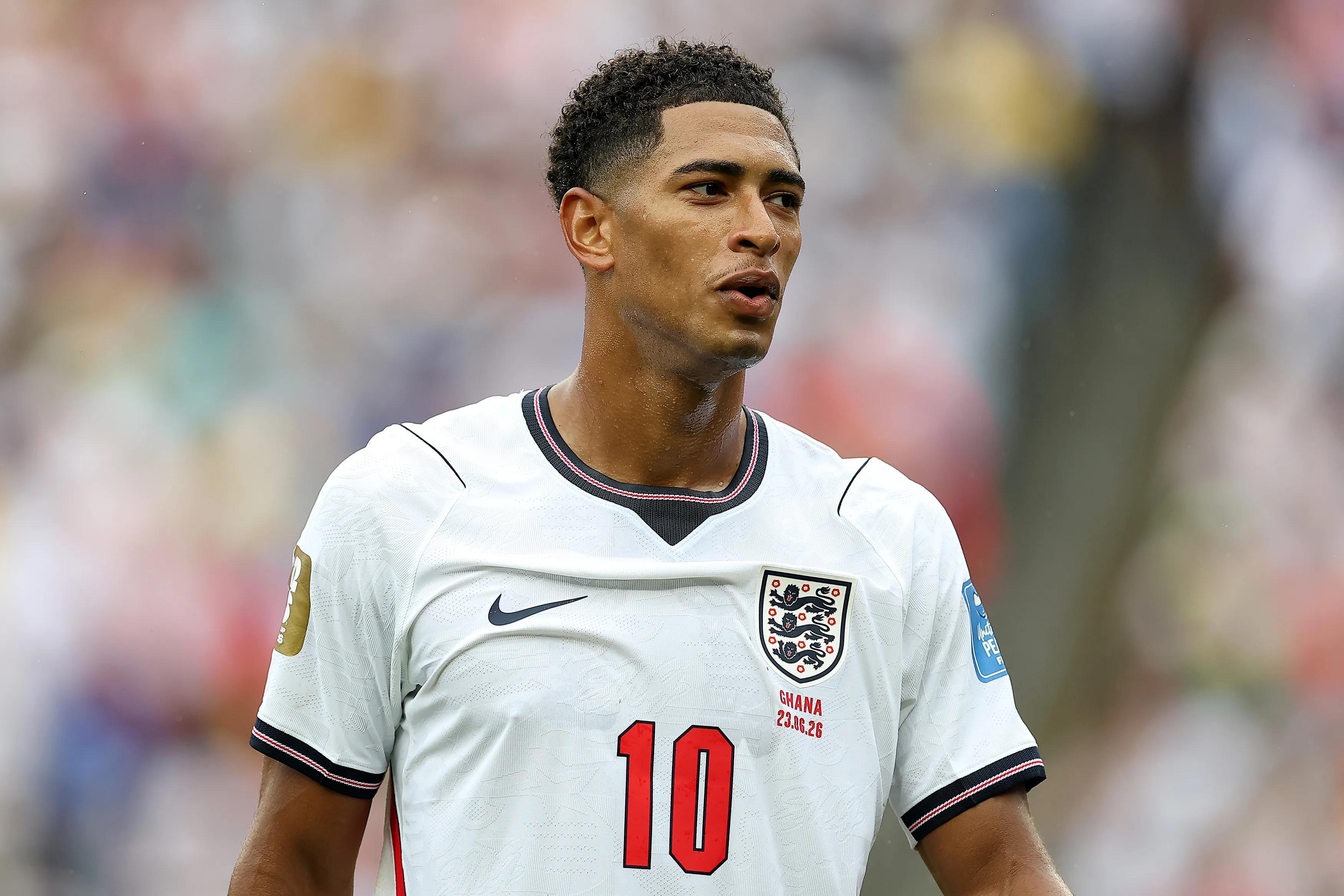
England fans have seen this film before. In 2010, under the baking sun of Cape Town, the Three Lions were held to a frustrating goalless draw by Algeria, a night of misplaced passes and mounting anxiety that came to symbolize a campaign that promised much and delivered little. Wayne Rooney's exasperation was etched across every front page, and Fabio Capello's side suddenly looked ordinary against opponents happy to defend deep. Sixteen years later, in the very different atmosphere of Boston Stadium, England produced another blank scoreline against African opposition, yet the reaction could not have been more different. This time, the calmest voice in the room belonged to Jude Bellingham. Where Rooney fumed, the 22-year-old midfielder preached perspective. England had dominated possession, fired nearly twenty attempts and won a flurry of corners, but Ghana's disciplined block refused to crack. Bellingham's message was simple: four points from two games still leaves the Three Lions atop Group L and on course for the FIFA World Cup 2026 knockout stage in the United States, Canada and Mexico. The contrast says much about how this England team has evolved. In 2010, pressure seemed to shrink them; in 2026, it has become background noise. Carlos Queiroz's Ghana were organised, physical and tactically smart, the sort of obdurate opponent that can derail a less mature side. But Bellingham and his teammates understood that tournament football is a process, not a highlights reel. As they prepare for their final group match, the ghosts of Cape Town appear quieter. Perhaps this England generation has learned that a draw is only a crisis if you treat it like one. The real difference between 2010 and 2026 lies not in the scoreline but in the temperament. Then, England's draw felt like a trap closing; now it feels like a pause in a longer march. Bellingham's calm reflects a squad that has learned to absorb pressure rather than amplify it. As the Three Lions continue through the FIFA World Cup across the United States, Canada and Mexico, that maturity may prove more valuable than any early flourish.
🏟️ TEAMS
2010 Algiers, 2026 Boston: England's Goalless Déjà Vu
2010 Algiers, 2026
VS
England's Goalless
?-?
POSS: 51% / 49%
SHOTS: 14 / 12