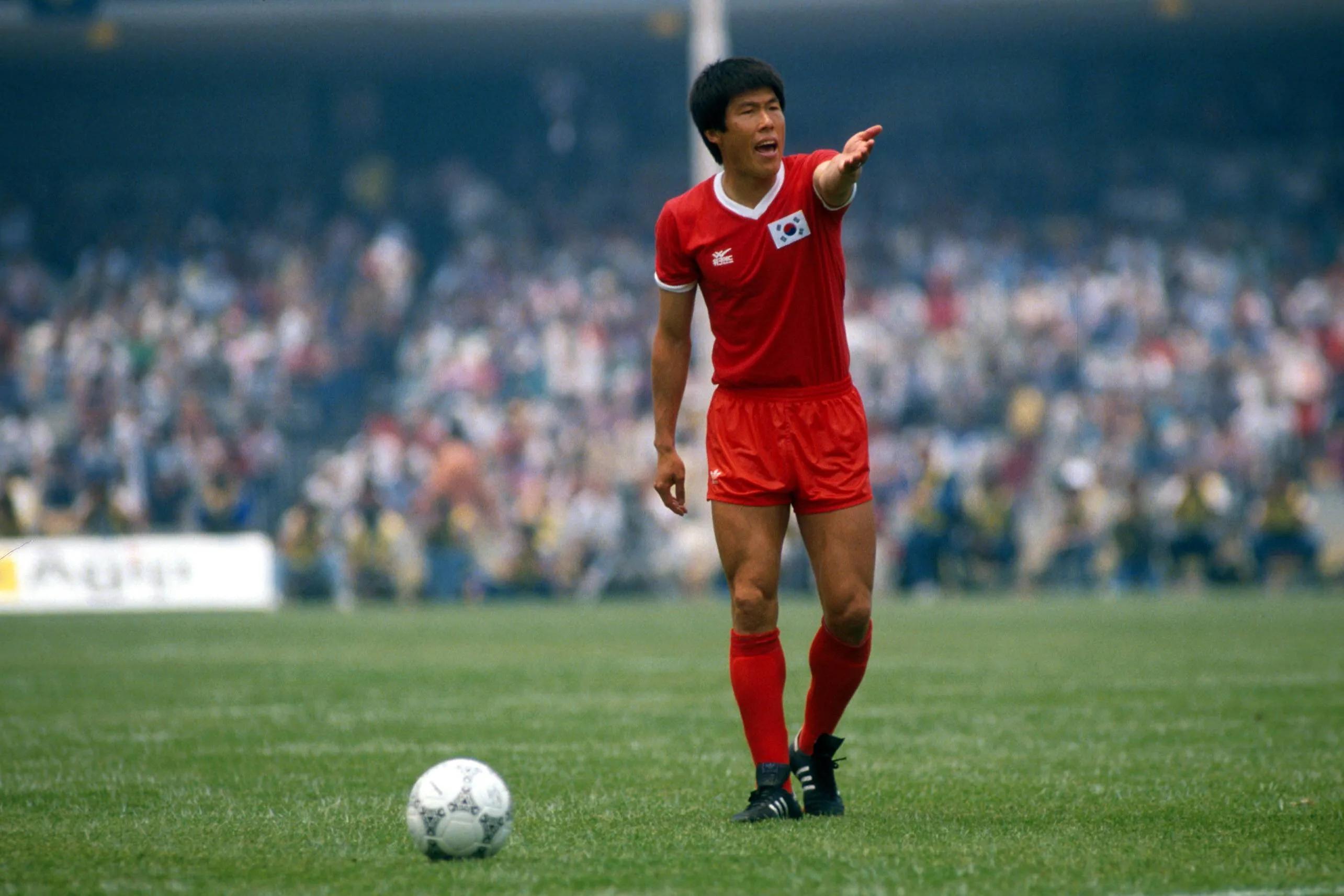
Forty years ago, Cha Bum-kun walked onto Mexican pitches as a 33-year-old veteran carrying Korea Republic's hopes at the 1986 FIFA World Cup. It was the nation's first finals appearance in thirty-two years, and Cha, despite having missed much of his prime due to club commitments in Germany, remained the talisman. Today, at the FIFA World Cup 2026 across the United States, Canada and Mexico, he watches a new generation led by Son Heung-min, a player the same age as Cha was then and similarly shaped by European football. The symmetry extends beyond age. Cha won the UEFA Cup with Eintracht Frankfurt and Bayer Leverkusen, becoming a trailblazer for Korean footballers abroad. Son completed his own European fairytale by lifting the UEFA Europa League with Tottenham Hotspur after a decade in England. Both men proved that Korean talent could thrive at the highest club level, and both returned to the national team with the expectation that their experience would elevate everyone around them. In 1986, Korea Republic were simply happy to be back among the world's elite. They drew with Bulgaria, lost narrowly to Italy and Argentina, and left with dignity but no progression. The 2026 squad has different ambitions. Paik Seung-ho and Hwang Hee-chan, graduates of Cha's own football academy, now represent a nation that expects to reach the knockout stage and challenge anyone. The infrastructure Cha helped build has produced players who do not flinch against continental powers. Cha's academy was modelled on European methods, a radical idea in Korean football at the time. Now those methods are standard, and Korea Republic are regulars at the World Cup rather than grateful guests. As the FIFA World Cup 2026 continues its North American journey, Cha's presence in the stands is a living bridge between two eras: the pioneer who opened the door and the stars who now walk through it with heads held high.
⚽ SCORES
Cha Bum-kun: Mexico 1986 and 2026, two Korean odysseys
HOME
VS
AWAY
?-?
POSS: 52% / 48%
SHOTS: 16 / 13