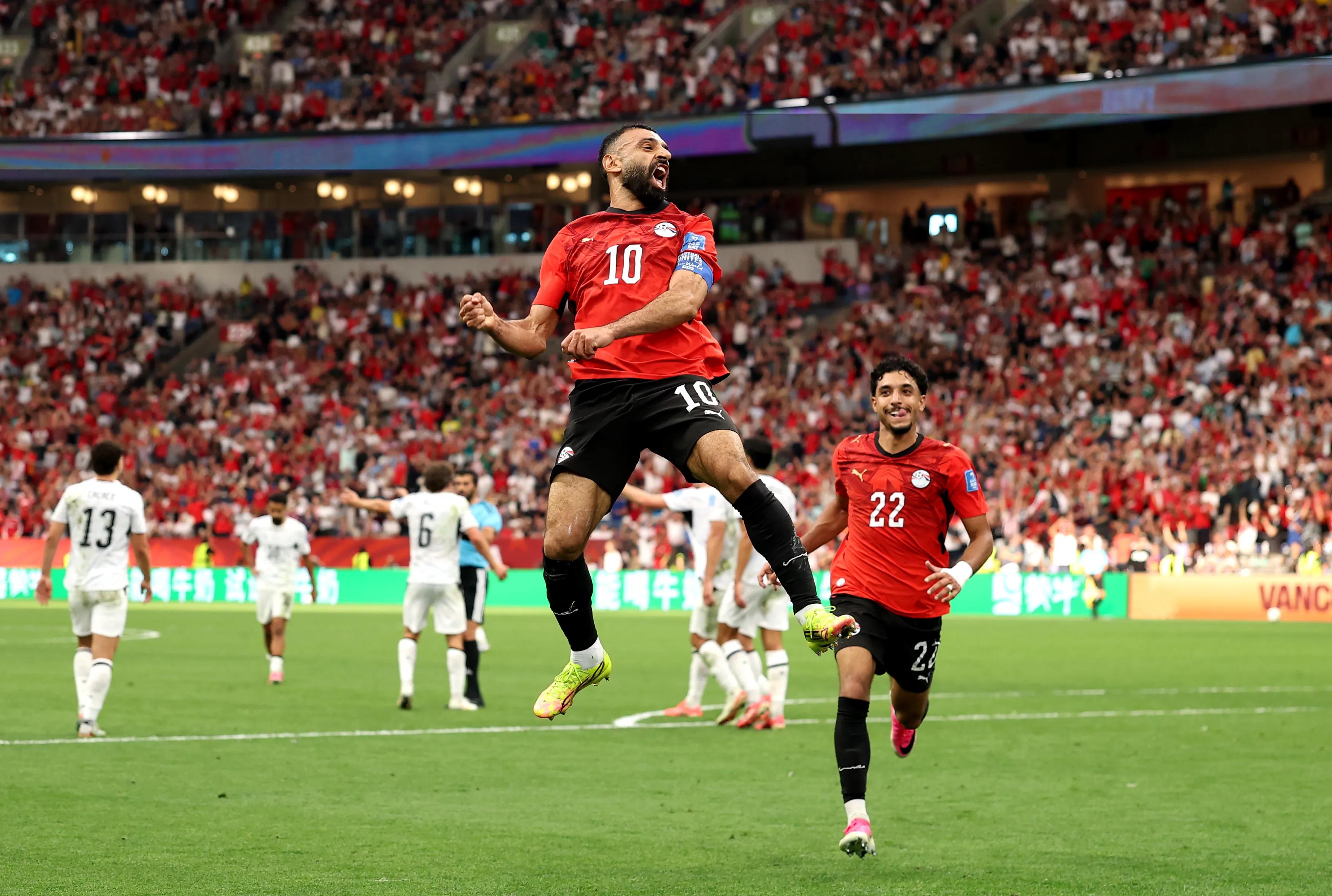
For Ahmed Shoubir, the 1990 FIFA World Cup in Italy ended before it ever really began. Egypt's long-awaited return to the global finals after fifty-six years produced three matches, zero victories, and a weight of disappointment that settled over a football-mad nation like desert sand. His son, Mostafa, was not yet born. Yet the goalkeeper's family story became a thread connecting that heartbreak to the euphoria that erupted on a warm Vancouver evening at the FIFA World Cup 2026. When Egypt came from behind to defeat New Zealand 3-1, they did more than climb to the top of Group G. They erased the unwanted record of being the team with the longest gap between their first World Cup appearance and their first victory. The 1934 loss to Hungary in Naples, the 1990 draws and defeats, the decades of near-misses and failed qualification campaigns, all dissolved into one joyous celebration. Mostafa Shoubir, who FaceTimed his mother in the Egyptian way, represented a generation that refused to inherit failure. Mohamed Salah's influence on this team cannot be overstated. Just as Hossam Hassan carried the hopes of the 1990 squad, Salah now shoulders the ambition of a nation. The Liverpool star's goal against New Zealand was not merely a statistical correction; it was a statement that Egypt belongs on this stage. The Pharaohs have waited too long to be tourists at the World Cup. The 1990 campaign had its own dignity: a disciplined defence, a passionate fan base, the pride of simply being there. But the 2026 edition demands more. With a draw against Belgium and a win over New Zealand, Egypt enter their final group match with genuine momentum. The comparisons with Cameroon 1990 or Senegal 2002 are inevitable: African teams that turned maiden breakthroughs into unforgettable runs. As the FIFA World Cup 2026 continues across North America, Egypt's breakthrough feels less like an ending and more like a long-delayed beginning.
⚽ SCORES
Pharaohs finally soar: from Italy 1990 despair to USA-Canada-Mexico delight
HOME
VS
AWAY
3-1
POSS: 52% / 48%
SHOTS: 13 / 4