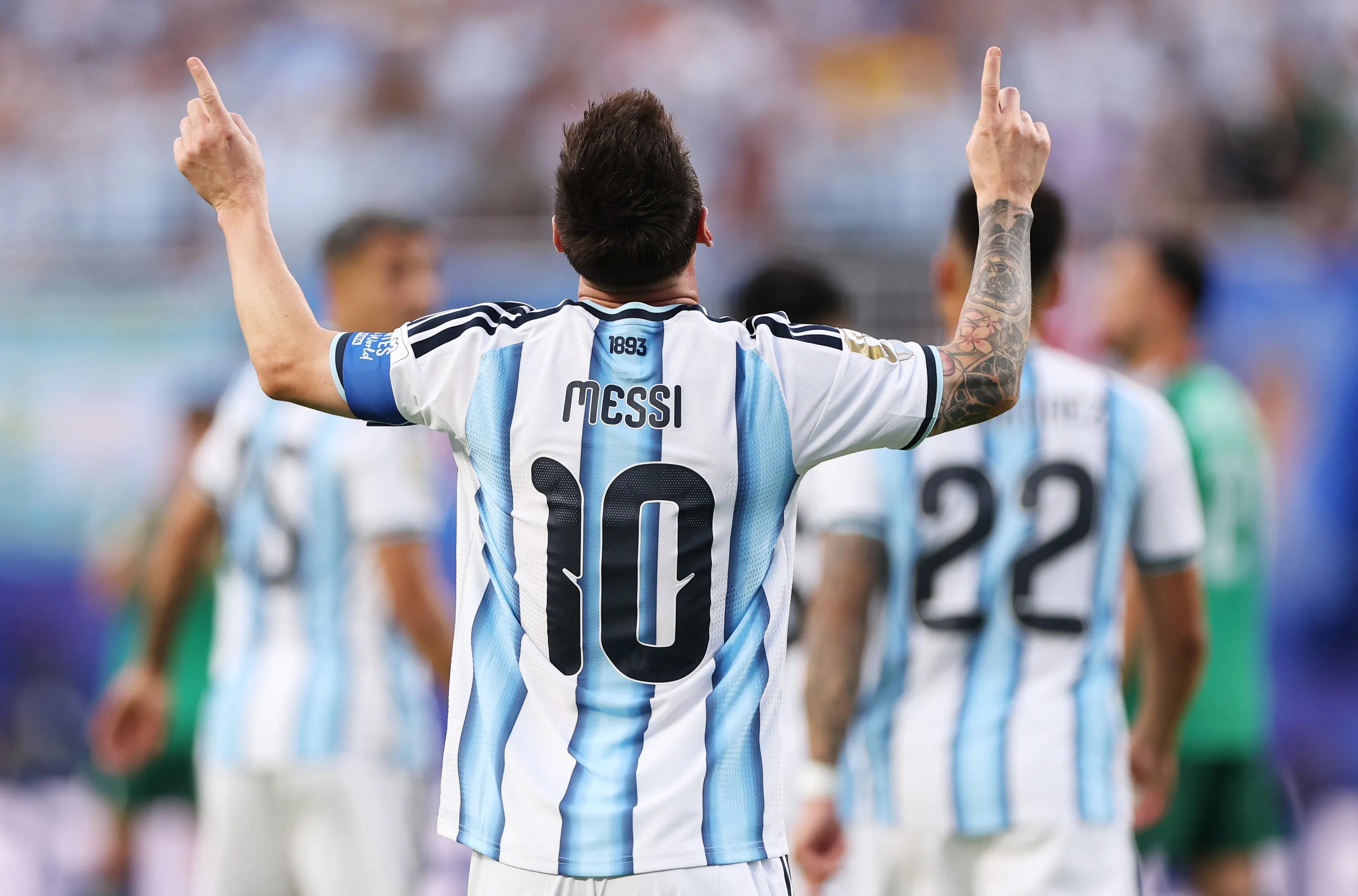
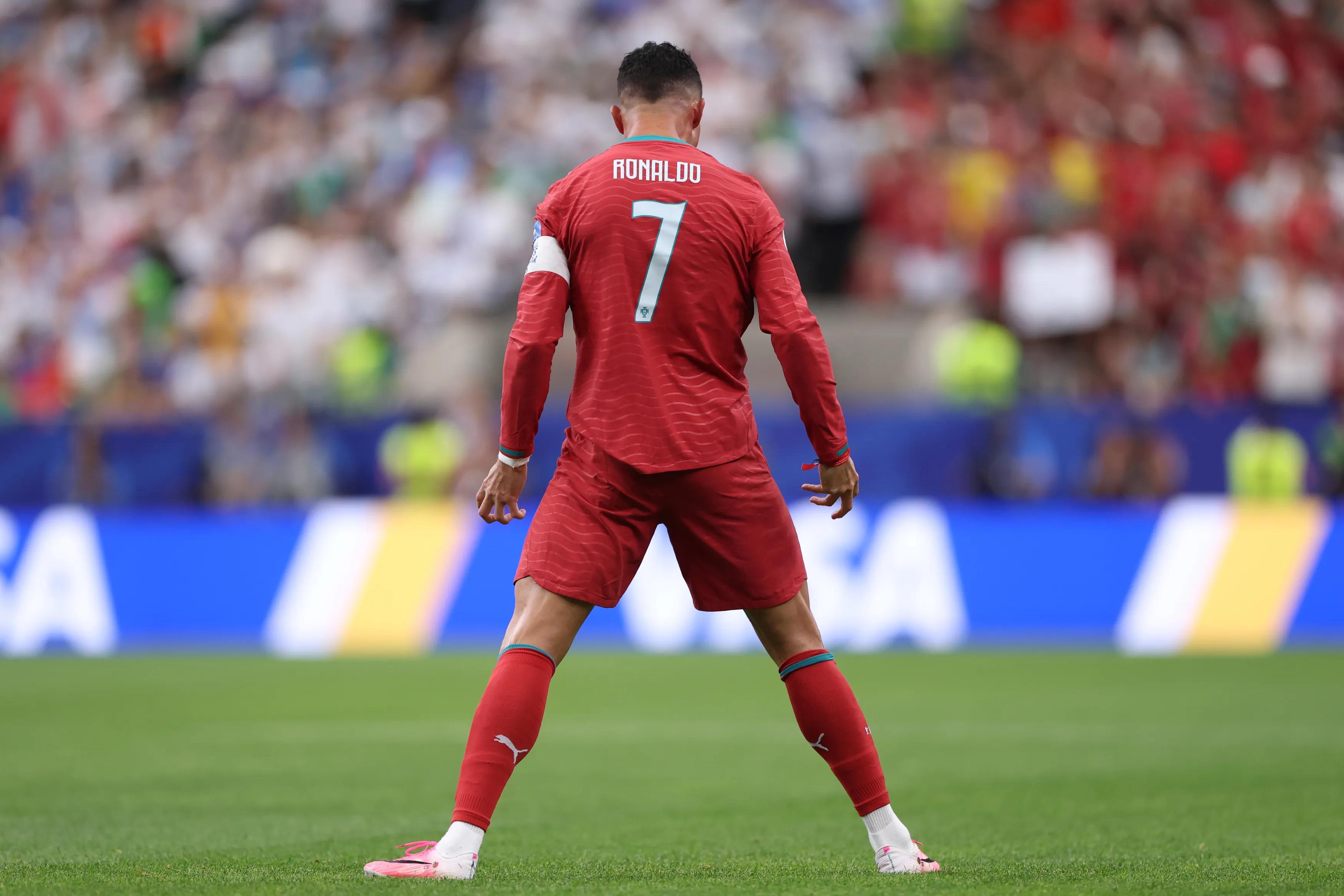
World Cup scoring records tell different stories depending on the era. In 1958, Just Fontaine arrived in Sweden as a relatively unknown French striker and left as a legend, netting thirteen goals in only six matches—a feat of concentrated brilliance that remains unmatched nearly seven decades later. His record was built in a single, glorious summer, a shooting spree that defined an entire tournament. The modern record, by contrast, is a monument of endurance, and at the FIFA World Cup 2026 across the United States, Canada and Mexico, that monument has been reshaped once again. Lionel Messi's hat-trick against North African opposition and his subsequent double against a European side have lifted him past Miroslav Klose to the summit of the all-time chart with eighteen goals spread across six editions. It is a very different kind of greatness from Fontaine's, less explosion and more sustained flame. Yet Kylian Mbappe is closing fast, his back-to-back braces leaving him level with the German on sixteen goals from just sixteen appearances. The Frenchman's ratio suggests he may one day combine Fontaine's ferocity with Messi's longevity. Ronaldo of Brazil and Gerd Muller watch from slightly further down the list, reminders that every generation produces its predators. What unites them across the decades is the stage itself. From Fontaine's Sweden to Messi's North American summer, the World Cup remains the place where goals become currency and legends are weighed by the week. The 2026 tournament has already added new numbers to the ledger; history will decide what they ultimately mean. Messi's climb to the summit does not diminish Fontaine's lightning; it simply adds another texture to the tapestry. One player compressed genius into a single month, the other has stretched excellence across nearly twenty years, yet both speak the same language of decisive moments. The 2026 FIFA World Cup across the United States, Canada and Mexico offers the perfect stage for that conversation between past and present to continue.
⭐ PLAYERS
Fontaine's Six Games, Messi's Six Tournaments: Scoring Legends Collide Across Eras
HOME
VS
AWAY
?-?
POSS: 59% / 41%
SHOTS: 16 / 11