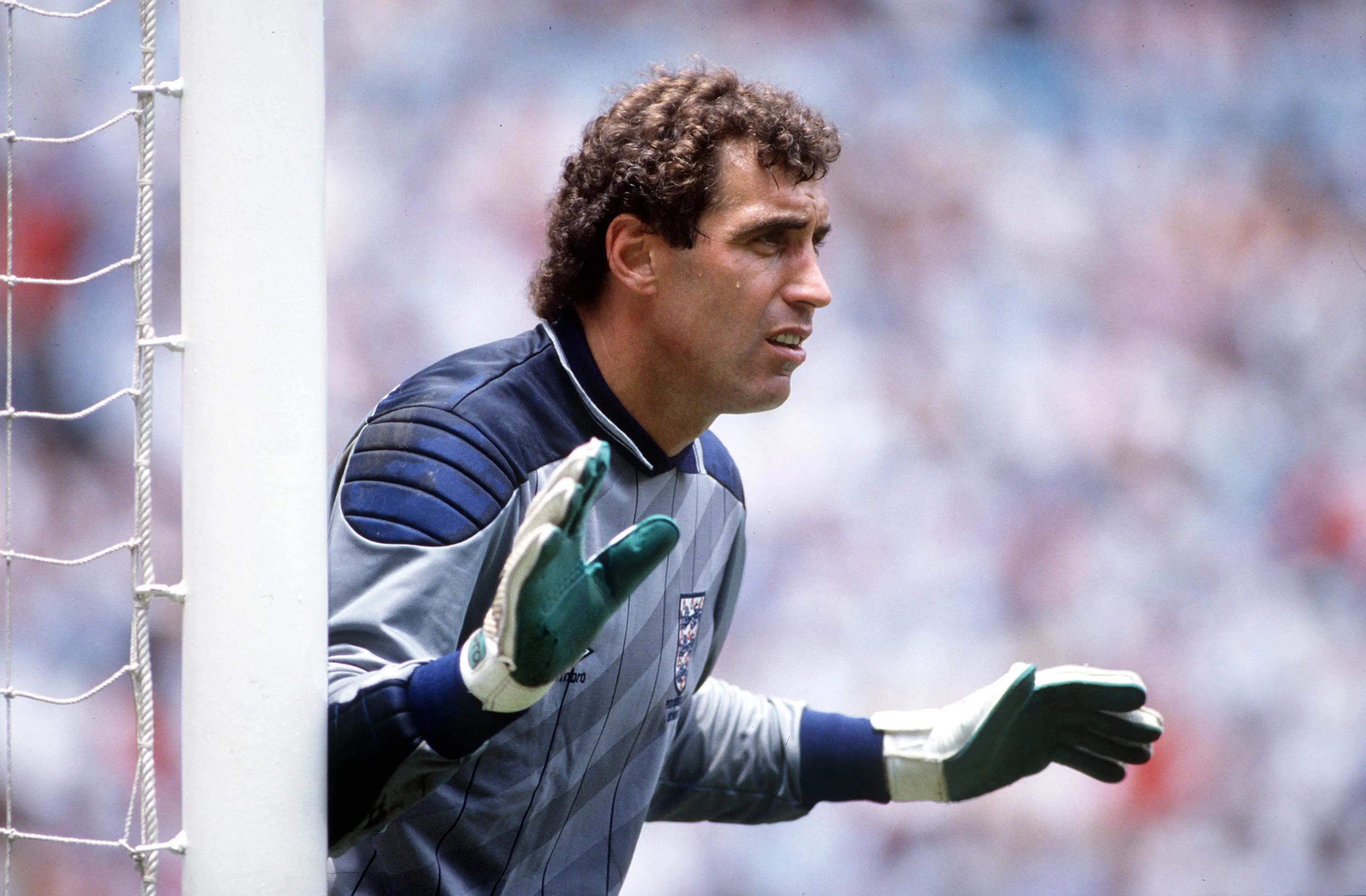
Great goalkeeping at a World Cup is often remembered in fragments: a fingertip save, a commanding cross, a penalty stopped when the world holds its breath. In 1986, England's Peter Shilton produced a string of such moments at the Estadio Azteca, embodying reliability and authority between the posts. His tournament ended in the anguish of a quarter-final shoot-out against Argentina, yet his ten clean sheets across three World Cups remain a benchmark of longevity and consistency. Shilton represented an era when keepers were expected to dominate their area, organise their defence, and trust instinct over analytics. Four decades later, Belgium's Thibaut Courtois is painting his own masterpiece on the North American canvas of the 2026 FIFA World Cup™. Towering, agile and preternaturally calm, Courtois has already climbed the all-time list of shutouts at the tournament, joining the select company of Barthez, Shilton and the other immortals. His style is different from Shilton's—more sweeping, more involved in build-up play, more accustomed to one-on-one duels against elite attackers—but the underlying command is the same. Both men made the goalmouth feel smaller for opposing forwards. The comparison invites reflection on how the position has evolved. Shilton operated behind defensive lines that were more physical and less structured; Courtois benefits from video analysis, specialised coaching and sports science, yet faces faster, more technically refined opponents. What unites them is the mentality required to stand alone at the back, the last line when everything else has failed. In 1986, Shilton kept England alive until Maradona's genius intervened. In 2026, Courtois carries Belgium's hopes through a crowded knockout bracket in which one mistake can end a campaign. As the competition moves deeper into its USA-Canada-Mexico itinerary, every clean sheet becomes more precious. Whether Courtois ultimately overtakes the record or not, his presence revives memories of those defining keepers who shaped tournaments long before he was born. The gloves change, the training evolves, but the lonely art of World Cup goalkeeping endures, linking Mexico 1986 to the present in one continuous thread of pressure and redemption.
🔥 HEADLINES
From Shilton to Courtois: The Art of World Cup Keeping Echoes Across Four Decades
HOME
VS
AWAY
?-?
POSS: 58% / 42%
SHOTS: 13 / 10