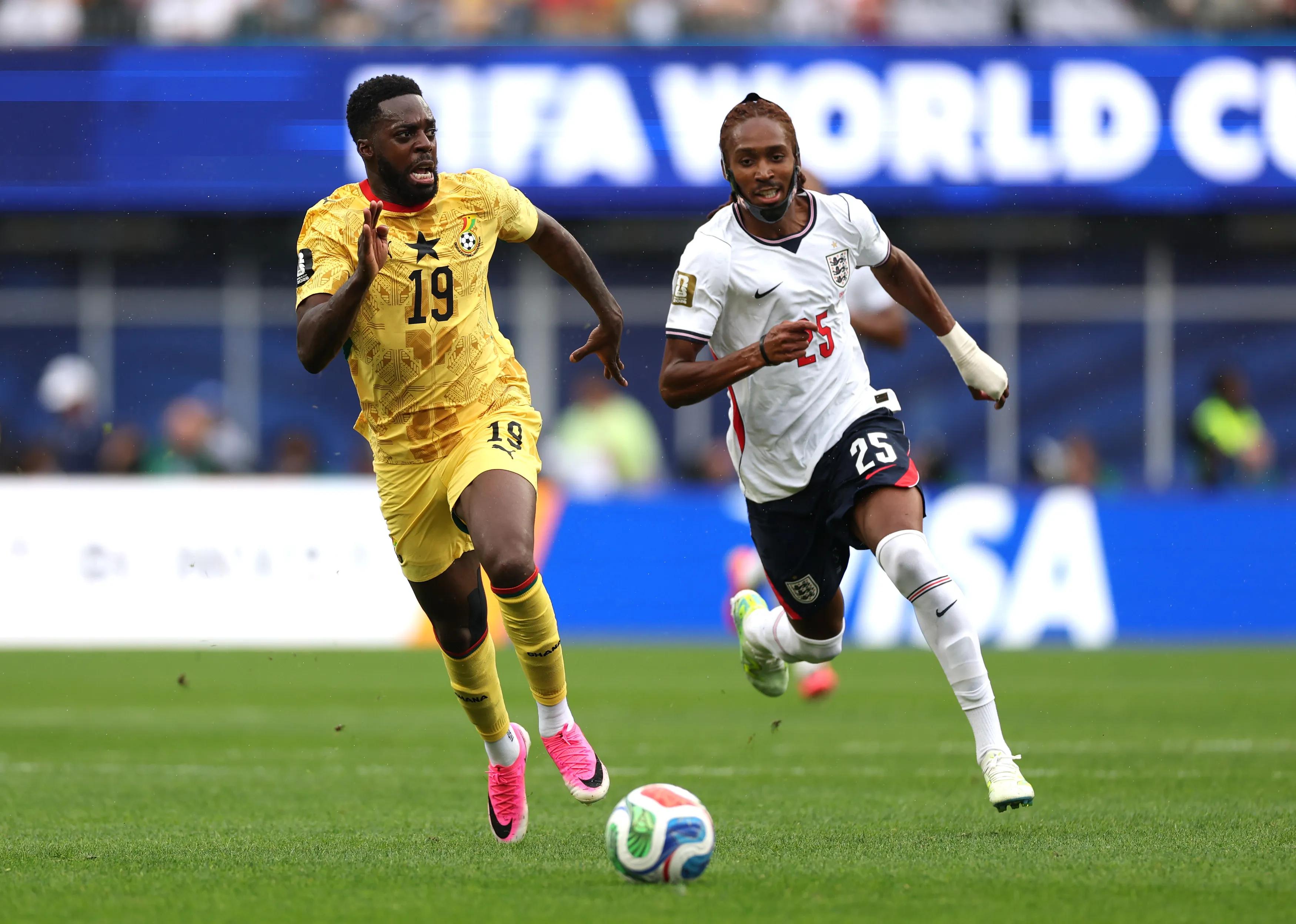
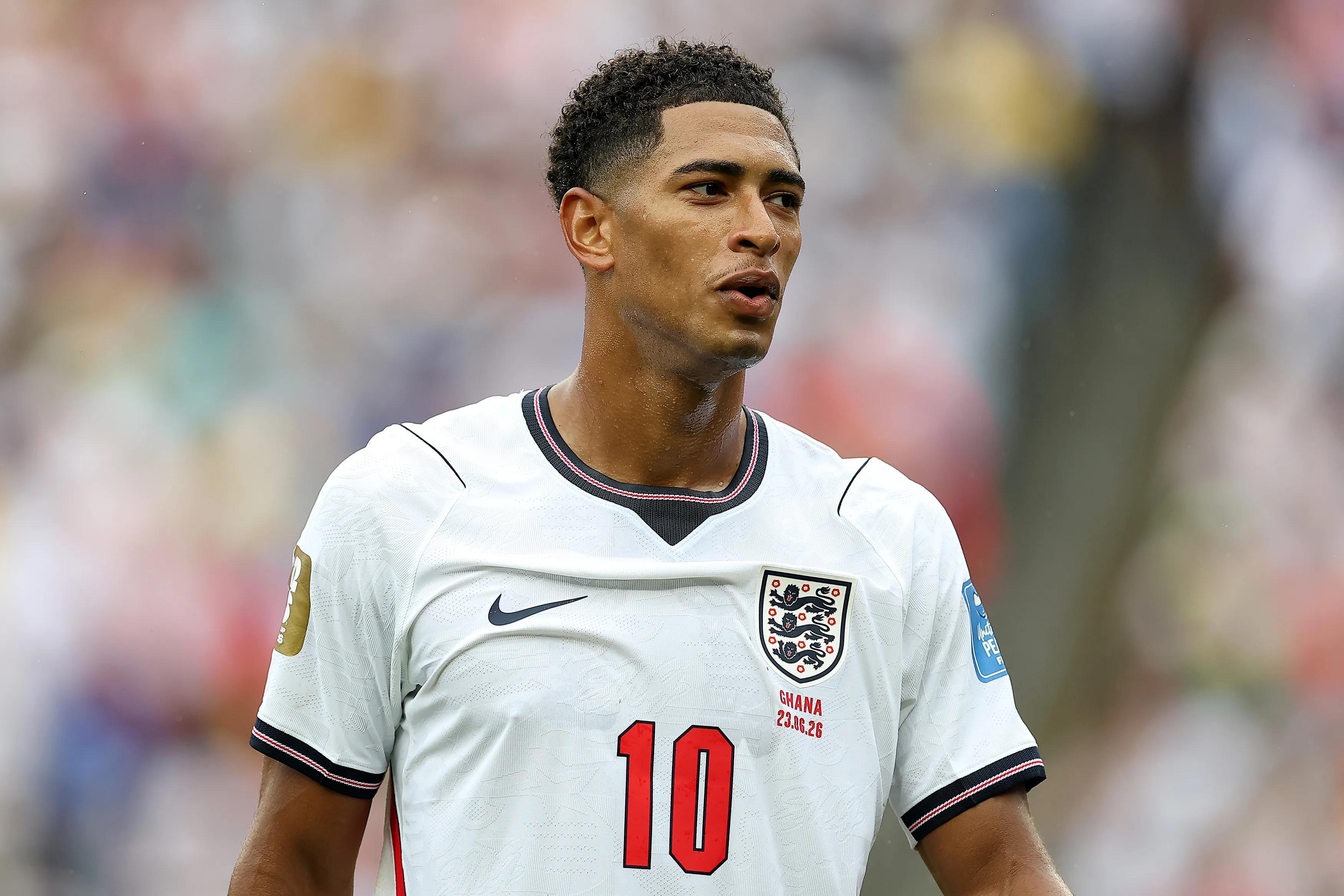
The opening day of Italia '90 remains one of the most shocking in World Cup history. Cameroon, supposedly no more than a warm-up act for defending champions Argentina, produced a display of physical courage and tactical discipline that humbled Diego Maradona and announced Africa's arrival among the elite. Francois Omam-Biyik's header and the Indomitable Lions' refusal to yield set a standard for underdog resistance that every subsequent African side has chased. Thirty-six years later, in the very different setting of Boston Stadium, Ghana wrote their own chapter in that same tradition. Against an England team stacked with attacking talent, Carlos Queiroz's Black Stars stood firm. They blocked crosses, crowded the penalty area and denied space around the edge of the box. England managed nineteen shots, struck the crossbar late through a back-post header and watched Harry Kane blaze a glorious chance over the bar, yet the ball never crossed the line. It was not beautiful football, but it was masterful football. The point keeps both nations in the top two of Group L and on course for the knockout rounds of the FIFA World Cup 2026 in the United States, Canada and Mexico. For Ghana, the result carries echoes of Cameroon's 1990 heroics: discipline, belief and the understanding that a single night can alter perceptions. For England, it is a reminder that reputation means nothing against opponents who have decided they will not be beaten. The tournament has only just reached its stride, but African resilience has already left its mark on North American soil. Ghana's defiance also carries a continental echo that stretches back to Cameroon's lions in 1990. For decades, African teams have been told to entertain first and win second; this Black Stars display argued the opposite, that organisation and belief can earn respect against any opponent. As the 2026 FIFA World Cup moves through the United States, Canada and Mexico, that lesson is being relearned by every favorite in the field.
⚽ SCORES
1990 Cameroon, 2026 Ghana: African Resilience Holds England Again
HOME
VS
AWAY
?-?
POSS: 42% / 58%
SHOTS: 14 / 9