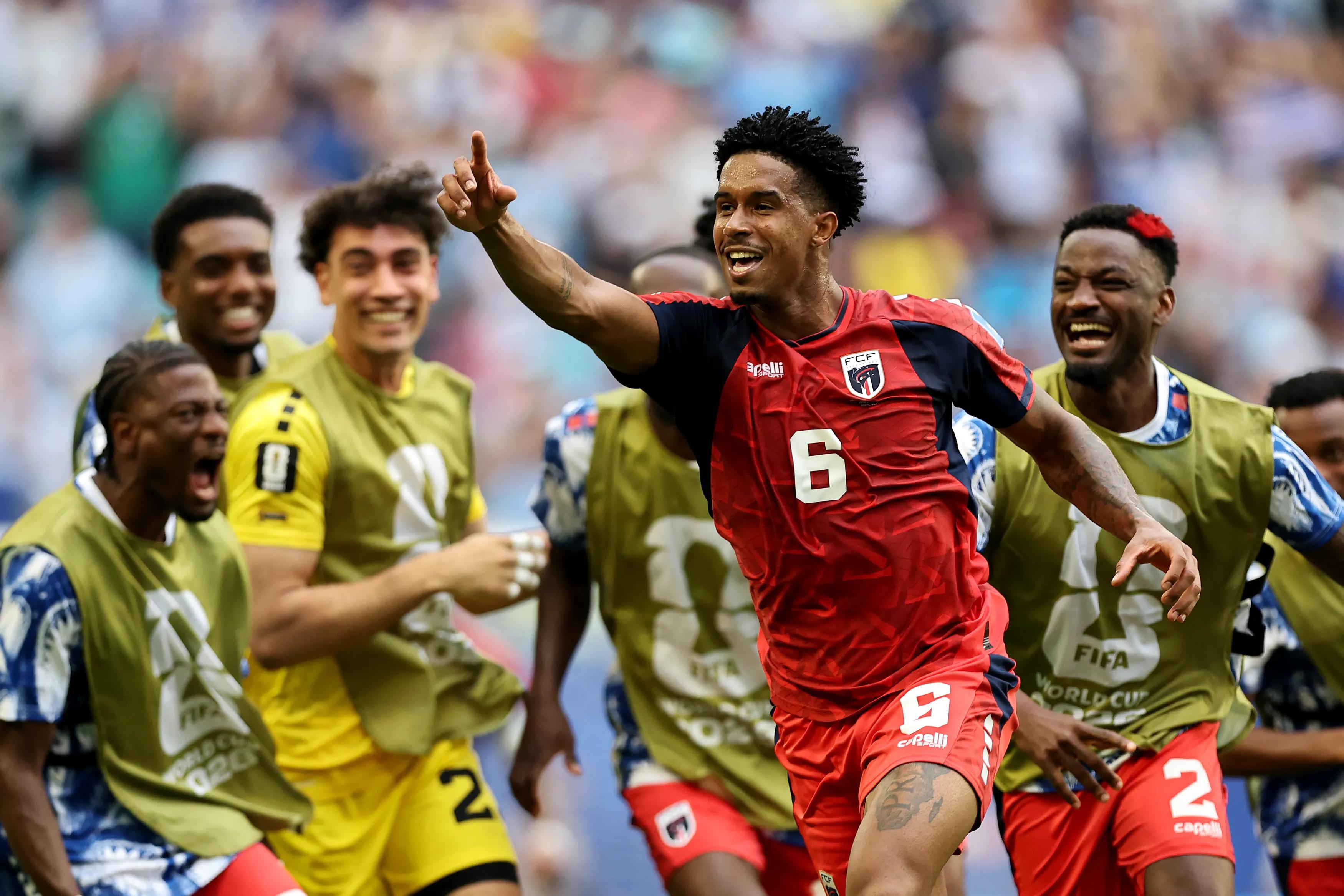
For more than nine decades, Egyptian football waited for a single World Cup victory. Between their first appearance in 1934 and their long-awaited win against New Zealand at the FIFA World Cup 2026 in the United States, Canada and Mexico, the Pharaohs had experienced heartbreak, near misses and the cruel sensation of a football-loving nation watching others celebrate. That drought made their 3-1 comeback victory in Vancouver feel like a national exorcism, and it invited immediate comparison with another African milestone that changed how the continent was perceived on the global stage. Cameroon's unforgettable run at the 1990 FIFA World Cup in Italy began with a victory over the defending champions Argentina and carried all the way to the quarter-finals. Roger Milla's corner-flag dance became the enduring symbol of African football's arrival as a competitive force rather than a mere participant. Egypt in 2026 are not yet rewriting history to that extent, but the emotional release of Mohamed Salah's decisive goal, Mostafa Zico's header and Trezeguet's late finish carried the same sense of a continent's pride being restored. The circumstances separating the two achievements are vast. Cameroon in 1990 were unexpected trailblazers, a squad of relatively obscure professionals who stunned the world. Egypt in 2026 arrived with one of the planet's most recognizable attackers in Salah, supported by European-based talent and the experienced hand of coach Hossam Hassan. Yet both teams shared the burden of representing a region that had too often been underestimated, and both understood that a single victory could inspire millions. Salah's emotional post-match comments captured the magnitude of the moment better than any statistic. For Egyptian supporters, the win was not merely three points; it was proof that their nation could finally taste success at football's highest table. As the FIFA World Cup 2026 continues across North America, the Pharaohs will hope their breakthrough is a beginning rather than an isolated highlight, much as Cameroon's 1990 campaign became the template for African ambition on the world stage.
🏟️ TEAMS
Egypt's long-awaited triumph recalls Cameroon 1990 and African breakthroughs: Salah leads Pharaohs into new era
HOME
VS
AWAY
3-1
POSS: 46% / 54%
SHOTS: 8 / 10