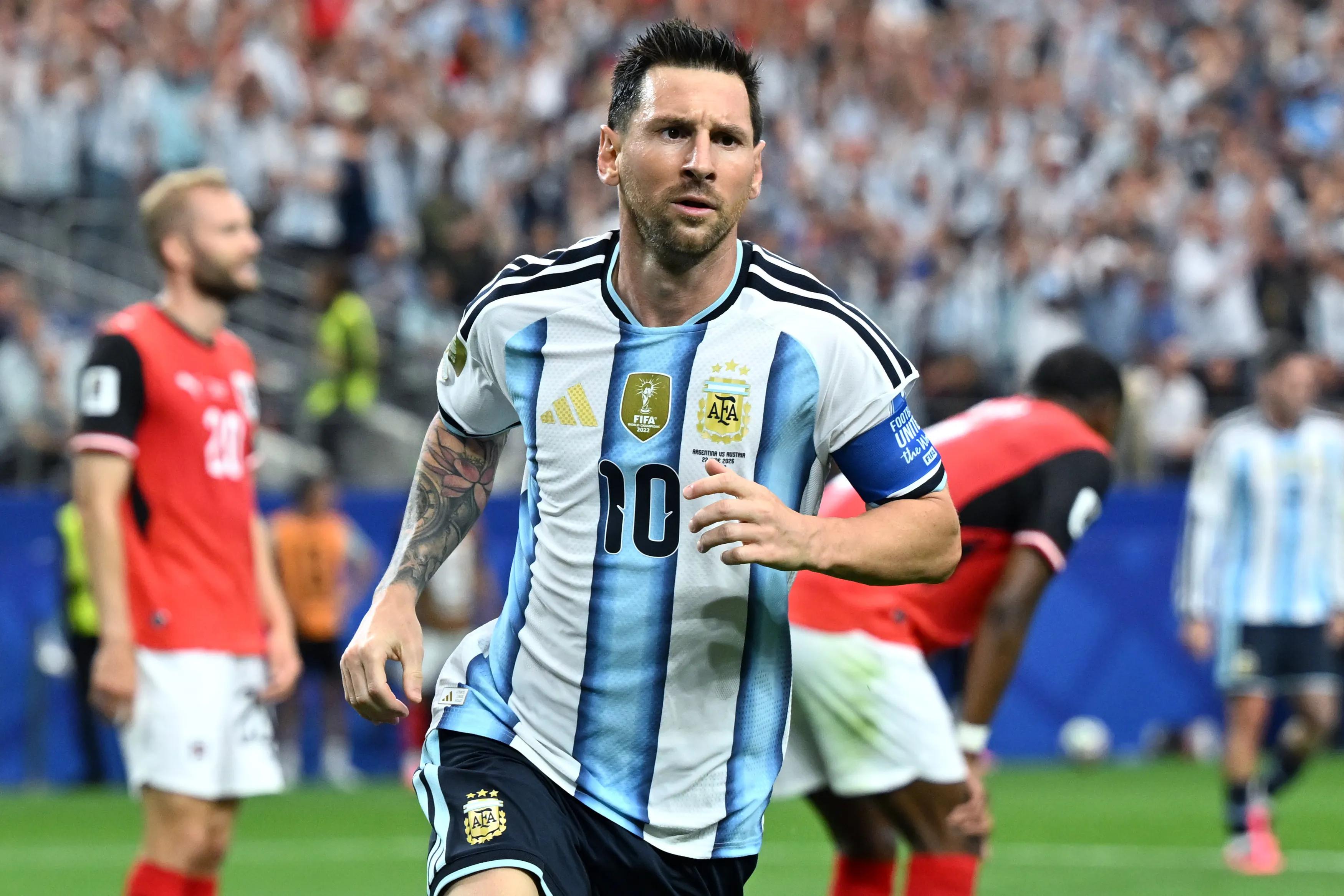
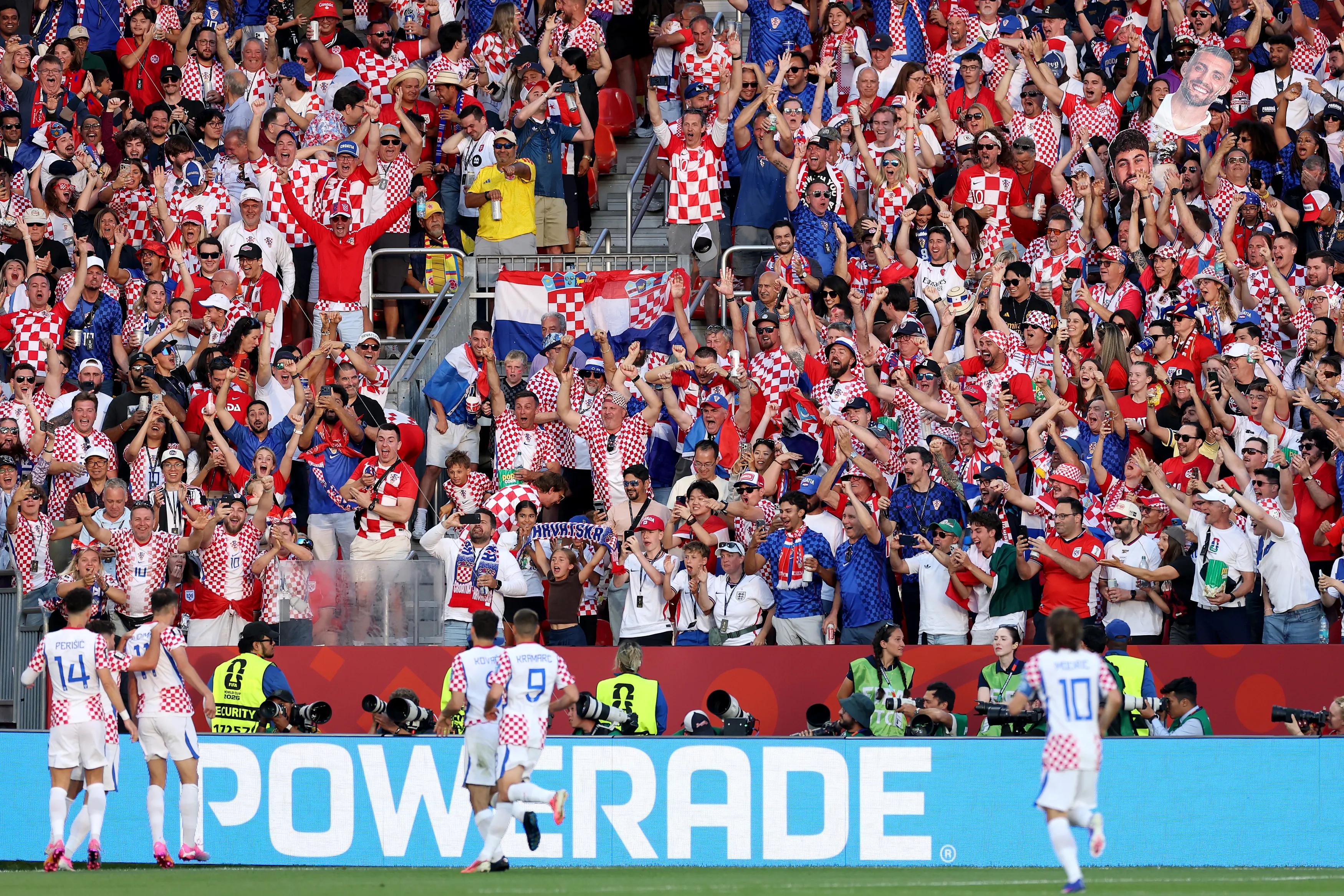
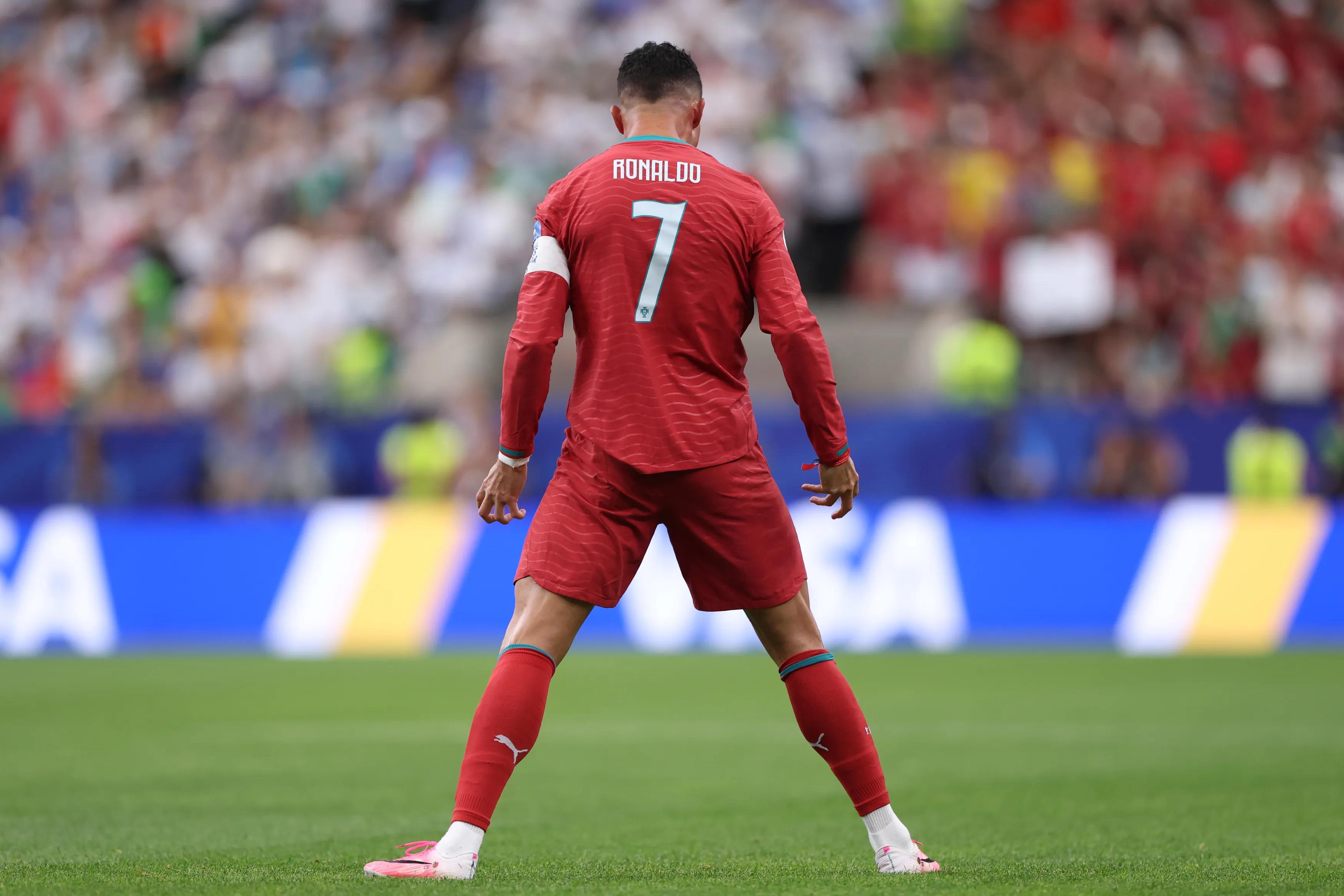
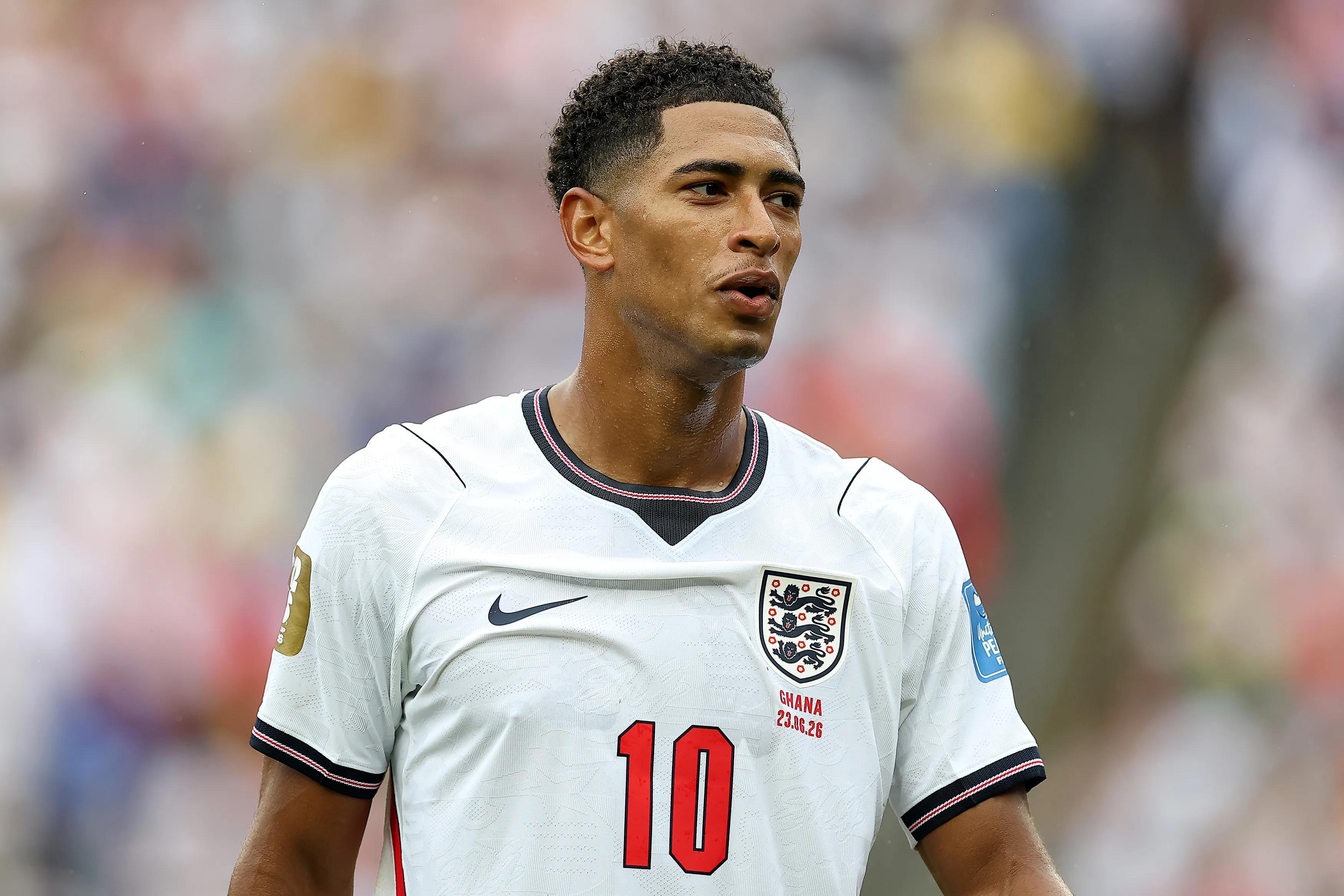
The Golden Boot race is rarely only about goals. It is about timing, momentum, and the pressure of knowing that every strike might define a career. In 1958, Just Fontaine of France set the standard by scoring thirteen goals in a single tournament, a record that has survived every subsequent World Cup. Fontaine achieved his total with a blend of instinctive positioning, fierce shooting, and the good fortune of playing in a Sweden tournament that rewarded attacking football. His record has become a monument that every great forward tries to scale. In 2026, Lionel Messi has moved within touching distance of that monument. The Argentine captain arrived at the FIFA World Cup across the United States, Canada and Mexico carrying the same weight of expectation that followed him through Qatar 2022. What has changed is the sense that every goal now carries historical significance. His seventeenth and eighteenth tournament goals did more than help Argentina advance; they placed him in a conversation with Fontaine, Gerd Muller, Miroslav Klose, and Ronaldo Nazario. The comparison across generations is never perfect. Fontaine played in a sixteen-team tournament with different tactical structures and shorter matches in the knockout phase. Messi operates in an era of detailed analytics, packed defenses, and round-the-clock scrutiny. Yet both players share the ability to make scoring look inevitable, as if the ball simply obeys their intentions. Fontaine's record was built on relentless consistency in a short window; Messi's has been built across four tournaments, each one adding layers to a career that refuses to end. What makes the 2026 race fascinating is the supporting cast. Kylian Mbappe, Erling Haaland, and a new generation of forwards are also filling nets. Yet Messi's pursuit feels different because it combines longevity with urgency. At an age when most forwards have faded, he continues to bend matches to his will. As the 2026 FIFA World Cup progresses, the question is no longer whether Messi is one of the greatest. It is whether he can overtake Fontaine's seventy-year-old mark and prove that history is not a ceiling but a target for those brave enough to aim.
⭐ PLAYERS
From Fontaine's 1958 Record to Messi's 2026 Chase — History Watches the Golden Boot Race
HOME
VS
AWAY
?-?
POSS: 44% / 56%
SHOTS: 7 / 17