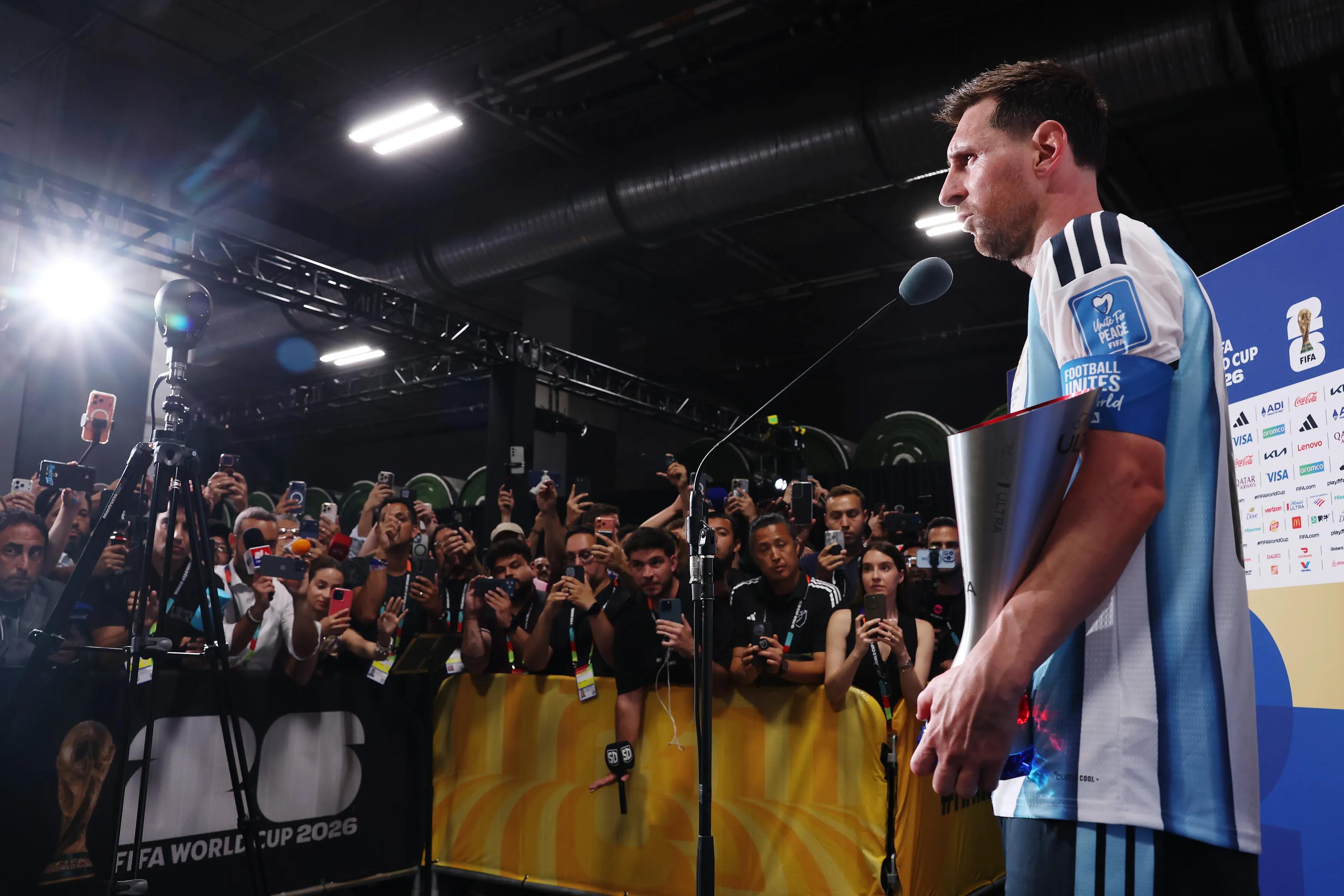
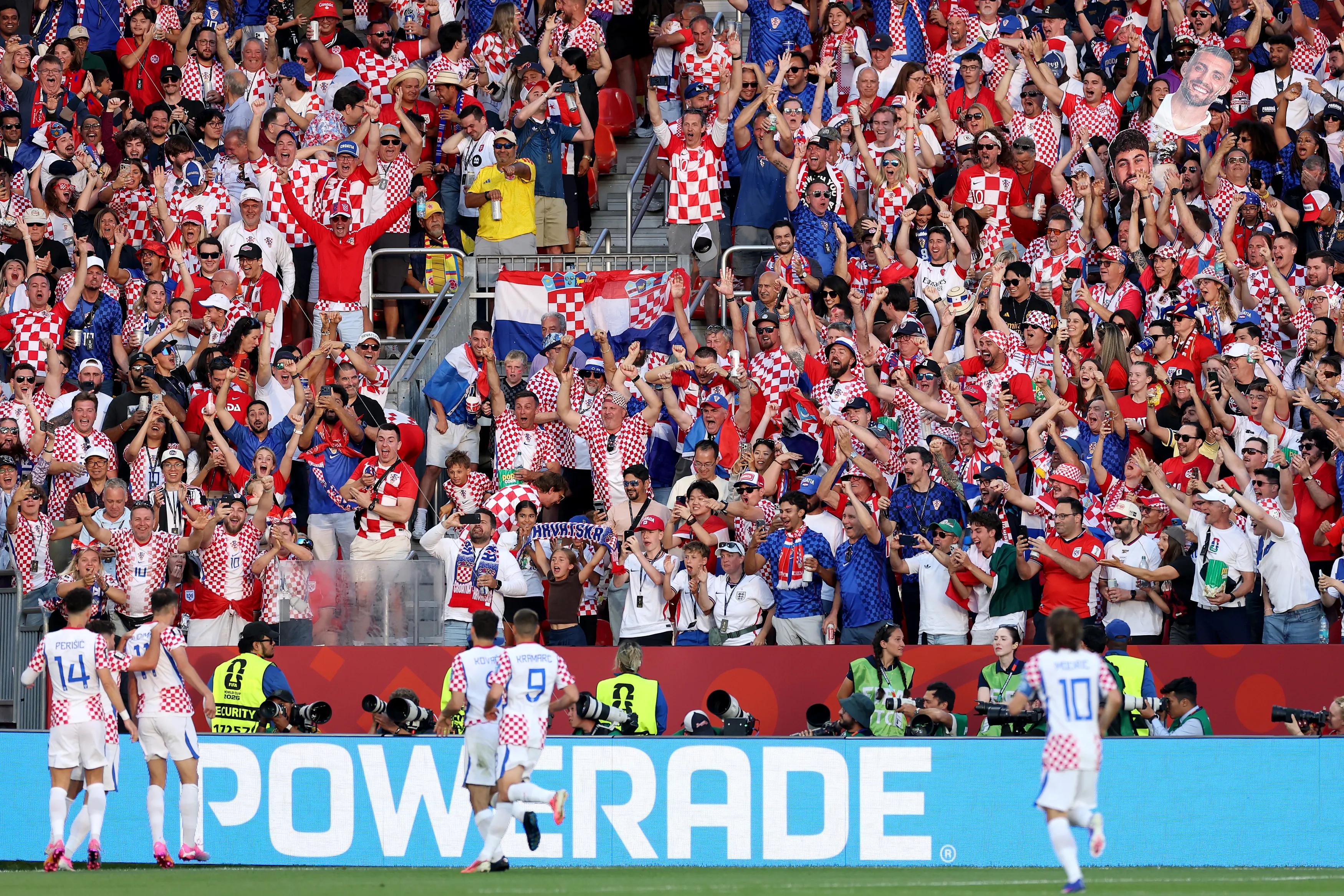
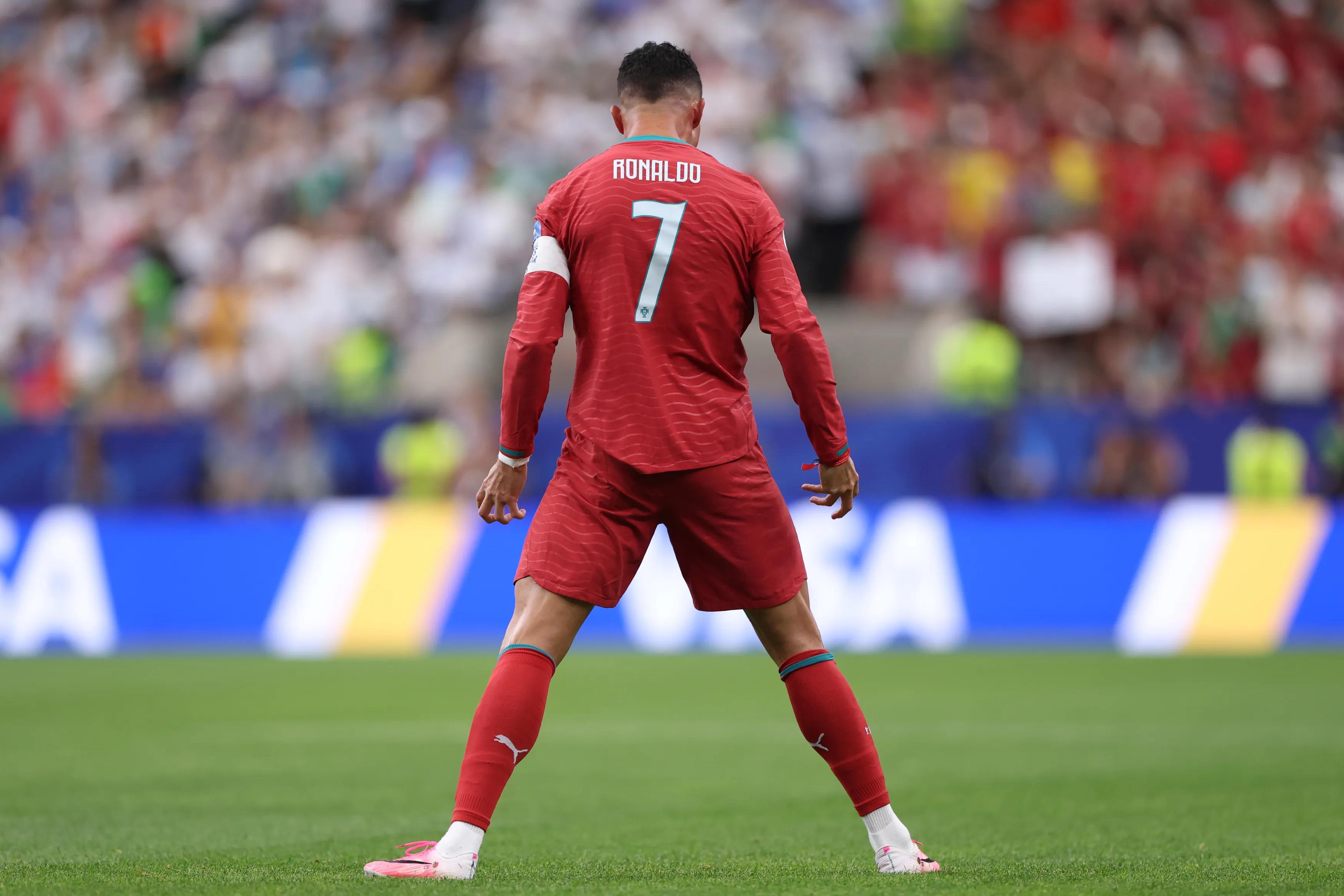
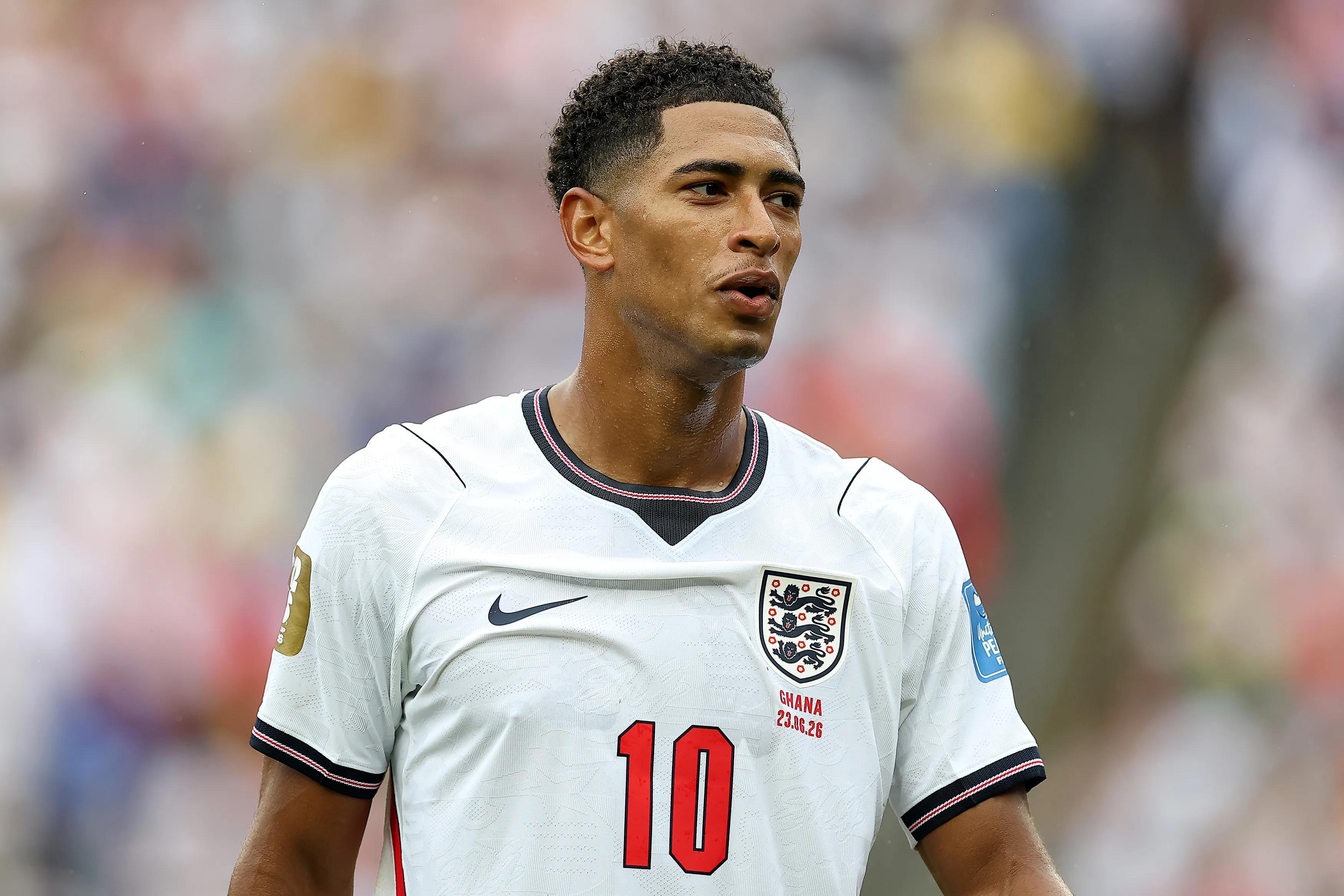
Some World Cups are remembered first by their photographs. Mexico 1986 belongs to that category. The tournament produced images that still define the sport: Diego Maradona dominating England in the quarter-finals, the Mexican sun blazing over Azteca Stadium, and crowds of color that turned every match into a carnival. Those pictures did more than record results; they captured a mood of joy, drama, and possibility that made the 1986 finals feel larger than any single champion. The 2026 FIFA World Cup across the United States, Canada and Mexico is creating its own visual archive, and matchday 12 offered a reminder that history sometimes rhymes in striking ways. Lionel Messi celebrated a record-extending goal with the same kind of personal triumph that Maradona once embodied for Argentina. Kylian Mbappe unleashed a long-range strike in Philadelphia that recalled the explosive power of legendary finishers from earlier eras. Norway's players celebrated with their fans in New Jersey in a scene that echoed the intimate bond between teams and supporters that 1986 made famous. Rain delays, Viking chants, flying birds above San Francisco Bay Area Stadium, and Algerian players diving into crowds: these are not merely snapshots. They are the texture of a tournament that refuses to be reduced to statistics. In 1986, photographers chased light and shadow through Mexican afternoons. In 2026, cameras capture digital moments across three nations, but the emotional purpose remains unchanged. A great World Cup photograph freezes time and tells a story that words cannot fully express. What makes the 2026 collection special is its geography. Matches are being played from Vancouver to Guadalajara, from Boston to Los Angeles. Each city adds its own architecture, weather, and crowd personality to the visual narrative. The result is a North American album that borrows the spirit of Mexico 1986 while creating something broader and more diverse. Long after the final whistle of the 2026 FIFA World Cup, it will be these images that remain. They will remind people not only of who won, but of how the tournament felt: alive, unpredictable, and wonderfully familiar.
⭐ PLAYERS
1986 Mexico Painted the World Cup; 2026 North America Clicks the Shutter on Familiar Magic
HOME
VS
AWAY
?-?
POSS: 46% / 54%
SHOTS: 20 / 4