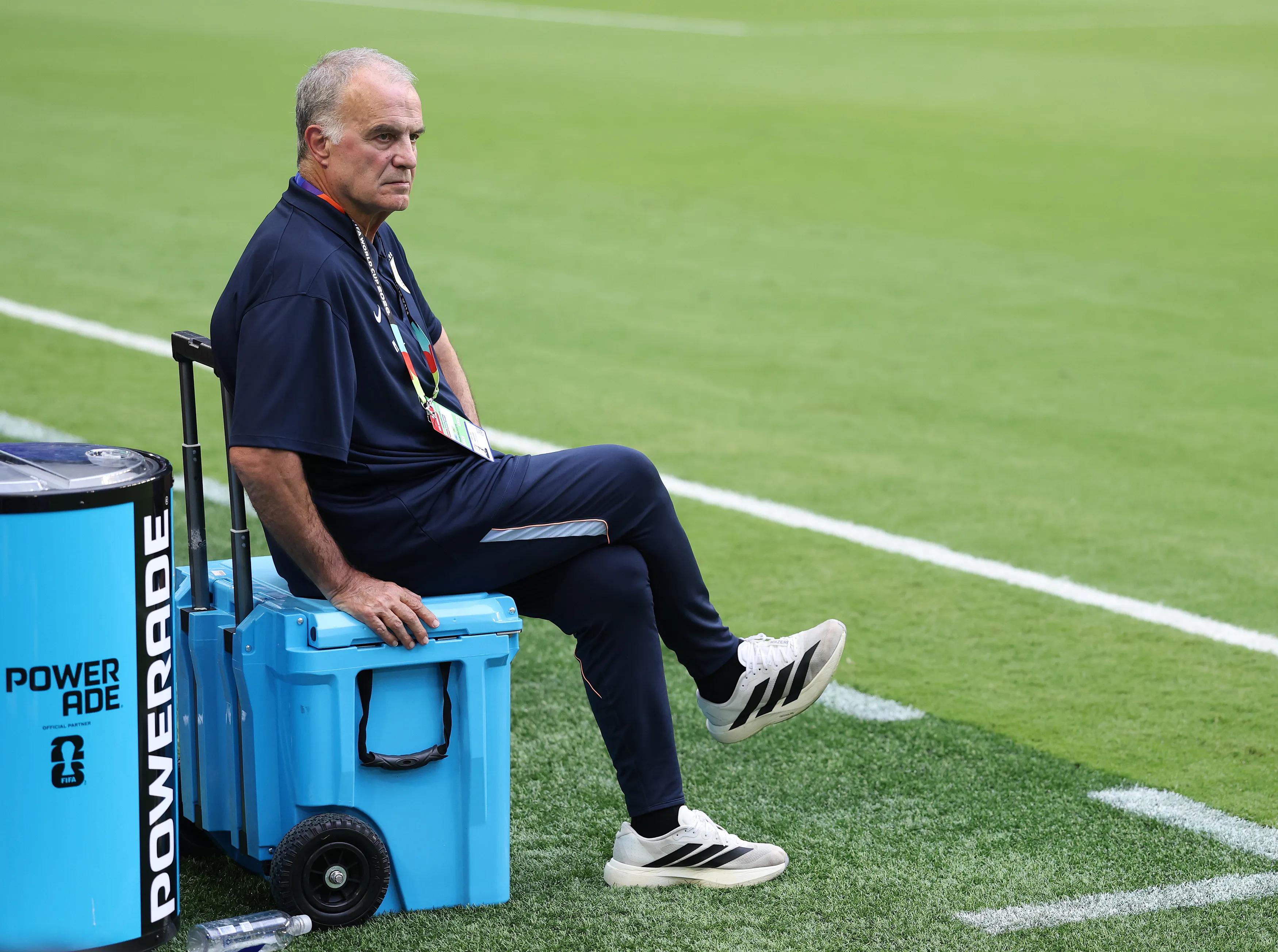
Uruguay’s relationship with the FIFA World Cup is defined by two unforgettable afternoons. In 1950, a nation of fewer than three million people stunned hosts Brazil in the Maracana to win the trophy for a second time, producing a result so seismic it is known simply as the Maracanazo. Sixty years later, the same country stood on the verge of another final, only to be denied by a solitary Carles Puyol header in a semi-final defeat to Spain in Johannesburg. One afternoon represented triumph against impossible odds; the other, the cruel margins of elite sport. Now, at the 2026 FIFA World Cup (USA-Canada-Mexico), La Celeste face Spain again with everything on the line. After two draws in Group H, Marcelo Bielsa’s side must win their final group match to guarantee a place in the knockout rounds. The scenario is urgent and unforgiving, a far cry from the swagger that carried them to the semi-finals in 2010. Yet the emotional memory of 1950 remains the bedrock of Uruguayan football, a reminder that this country has a habit of producing when hope is fading. The contrast with Spain could not be more pronounced. Spain arrived in North America among the favourites, playing the possession-based football that has defined their greatest teams. Uruguay, meanwhile, have struggled for consistency, showing flashes of quality without ever fully controlling a match. To prevail, they will need the resilience of 1950 and the tactical discipline that was missing in 2010. Federico Valverde, Darwin Nunez, and their teammates understand the stakes. A single lapse could send them home early, while a disciplined display could revive memories of past glories. The entire nation will hold its breath from the first whistle. Another chapter in one of football’s most dramatic international rivalries will be written at the 2026 FIFA World Cup (USA-Canada-Mexico).
⚽ SCORES
1950 or 2010? Uruguay’s do-or-die date with Spain revives old ghosts
HOME
VS
AWAY
?-?
POSS: 45% / 55%
SHOTS: 11 / 12