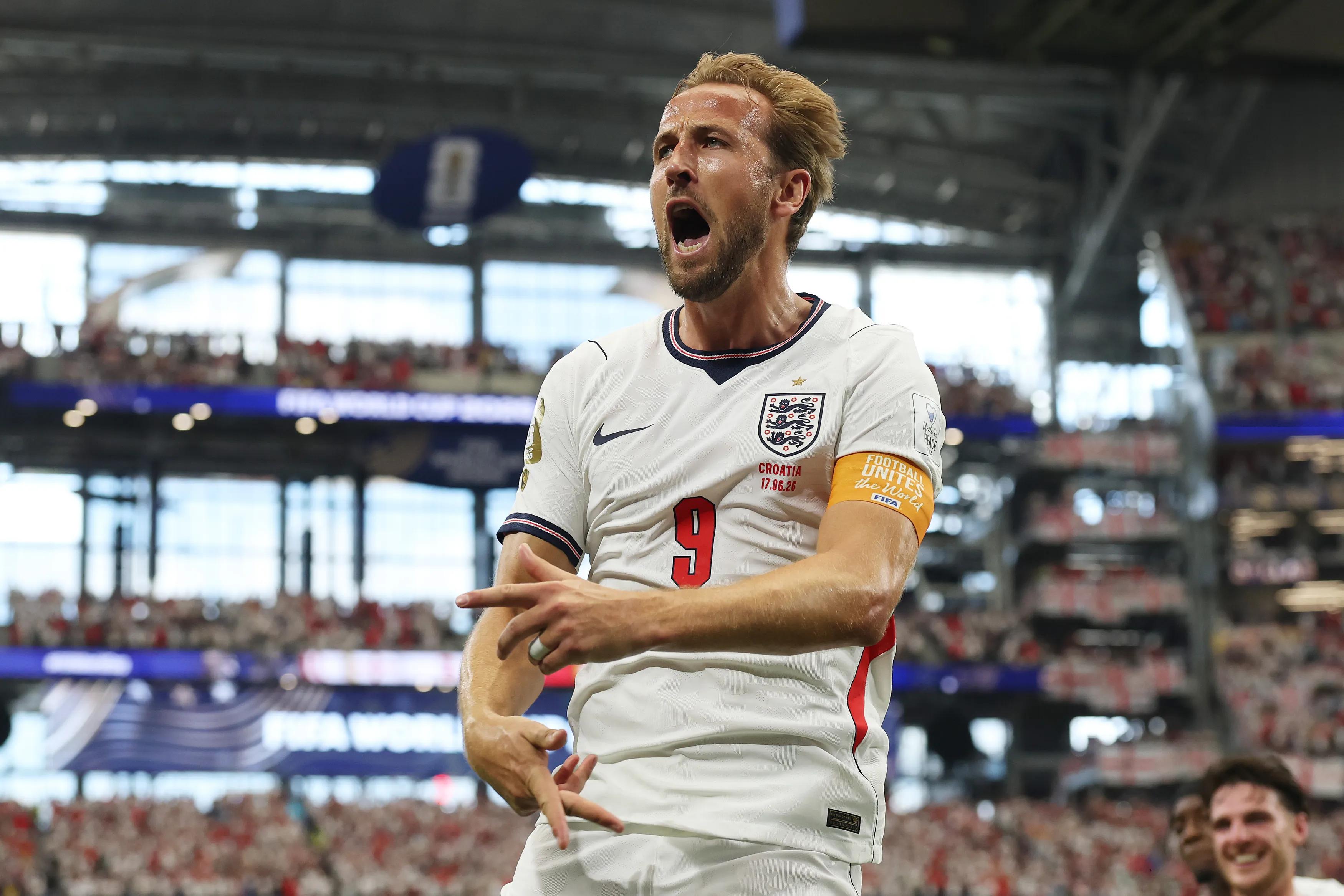
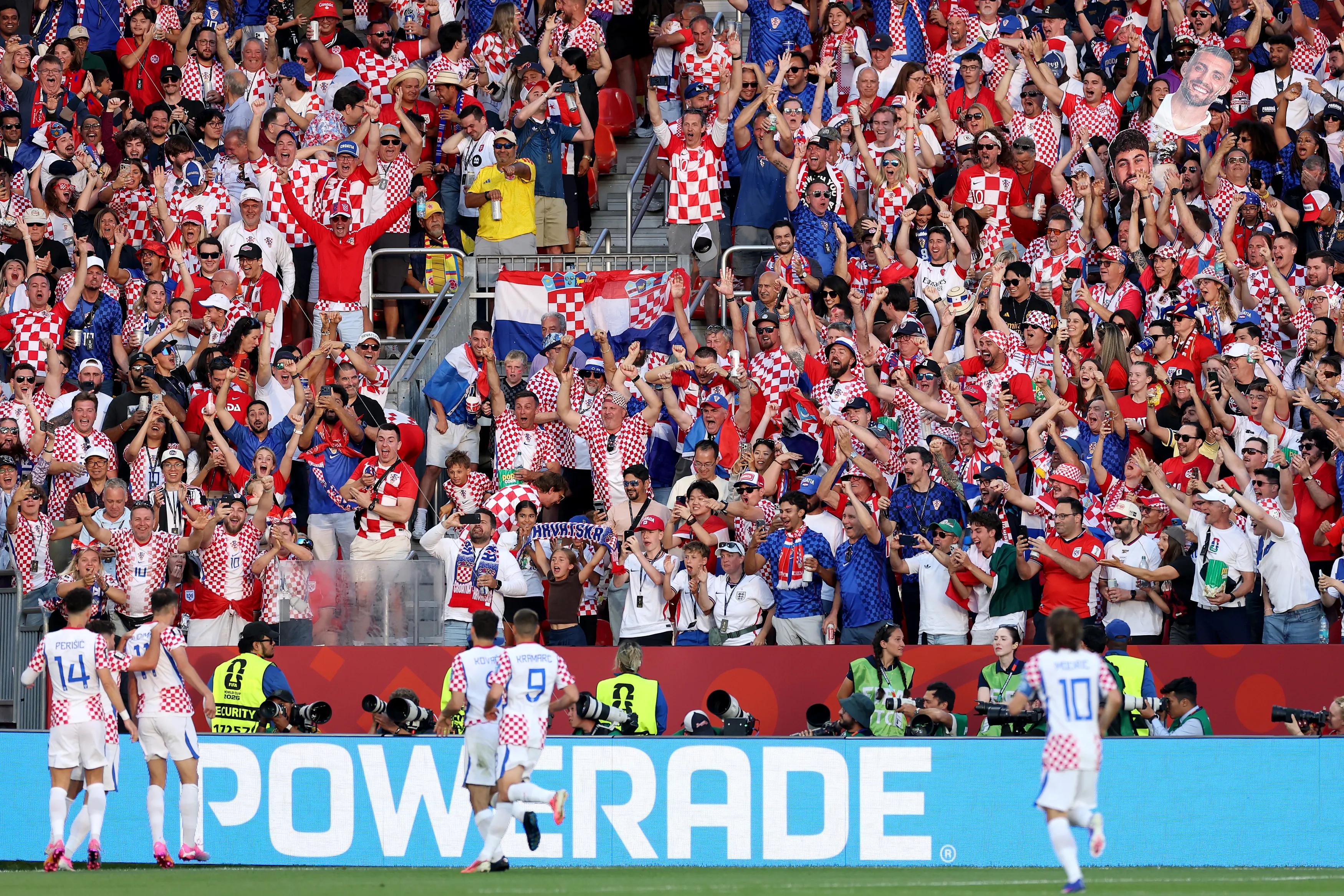
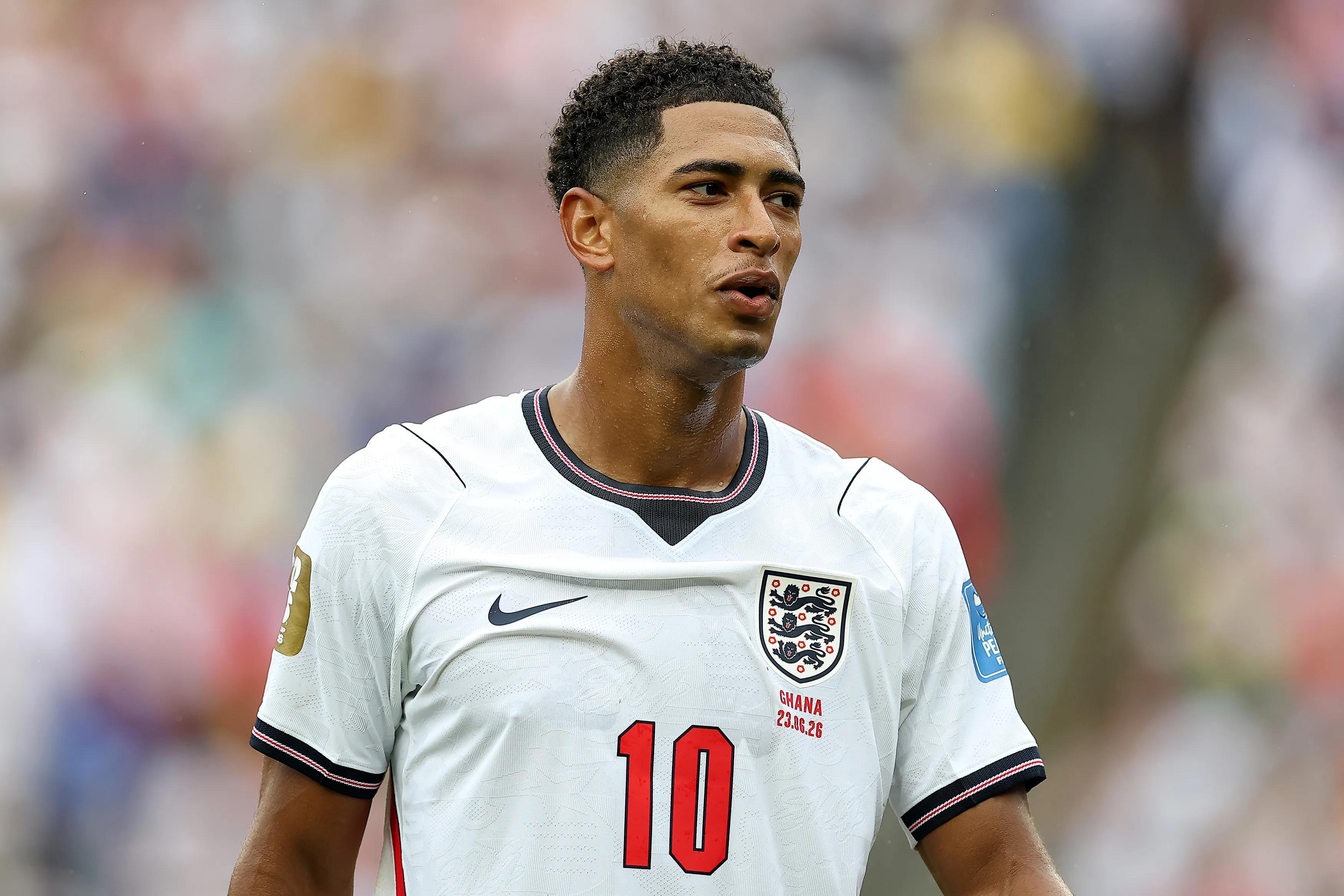
In the summer of 1966, England navigated a home World Cup with a mixture of caution and growing confidence. After a goalless draw with Uruguay in the opening match, Alf Ramsey’s side found its rhythm, topped its group, and eventually defeated West Germany in a final that remains the high-water mark of English football. The journey was not always fluent, but it was built on defensive solidity, moments of individual brilliance, and a manager who trusted his system. More than half a century later, a new England generation is attempting to write its own history at the 2026 FIFA World Cup (USA-Canada-Mexico). A commanding opening victory over Croatia announced their credentials, while a subsequent draw with a stubborn Ghana side demonstrated the patience required to navigate tournament football. The Three Lions currently sit atop Group L and know that a positive result in their final fixture will secure an early ticket to the knockout rounds. The parallels with 1966 are tantalising rather than exact. That team relied on Bobby Charlton’s drives and Geoff Hurst’s finishing; this squad boasts Jude Bellingham’s composure, Harry Kane’s predatory instinct, and a wealth of youthful attacking talent. There is no home advantage this time, but the squad carries the same sense that the pieces are falling into place. The danger, as Ramsey would have warned, is complacency. A draw against Ghana showed how quickly expectation can be checked by organised opposition. England must treat every remaining minute with the respect that Ramsey demanded. The fans who travelled across the Atlantic expect nothing less than total commitment from the first whistle. Football has changed beyond recognition since 1966, yet the emotional equation remains the same: win the next match, and the dream stays alive. England’s next step on that journey comes at the 2026 FIFA World Cup (USA-Canada-Mexico).
⚽ SCORES
1966 echoes: England’s early knockout push mirrors Alf Ramsey’s march
HOME
VS
AWAY
?-?
POSS: 46% / 54%
SHOTS: 13 / 13