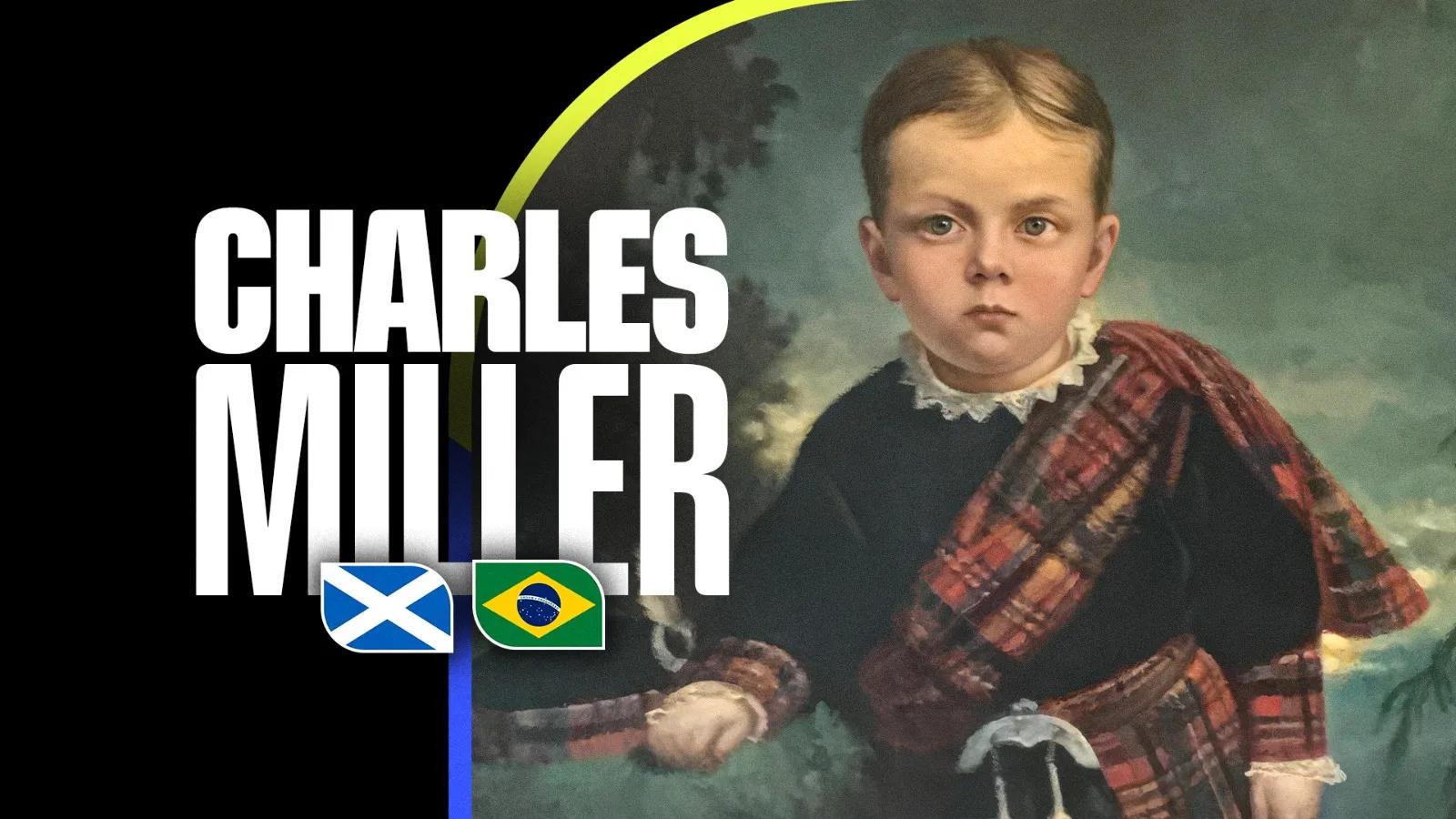
The 1982 FIFA World Cup in Spain produced a match that few Scottish fans have forgotten. Brazil fell behind early to David Narey’s stunning opener, only for Zico to level with a free-kick of almost supernatural quality and set the Selecao on course for a 4-1 victory. That game symbolised the romantic, attacking Brazil of Socrates, Falcao, and Eder, a side that did not win the trophy but won the hearts of purists. It also reinforced a curious link between two nations separated by geography yet tied by football. That link stretches back to the nineteenth century, when a Sao Paulo-born son of a Scottish railway worker named Charles Miller returned from schooling in England with leather balls and a copy of the rules. Miller’s Scottish heritage helped plant the seeds of the sport in Brazil, turning a British import into a national obsession. The 2026 FIFA World Cup (USA-Canada-Mexico) now brings the two countries together again for a final group-stage encounter that carries both historical weight and practical consequence. The 1982 match was a celebration of flair; the 2026 fixture is more likely to be a tactical chess match as both teams chase progression. Scotland arrive hoping to spring another upset, while Brazil aim to confirm their superiority and avoid the early exit that scarred their 2014 campaign on home soil. What remains constant is the shared heritage that makes every meeting feel like more than three points. From Miller’s leather balls to Zico’s free-kick, and now to a summer evening in North America, the thread between Brazil and Scotland runs long. That shared heritage adds emotional texture to a fixture that could decide which side advances. The winner takes more than points into the next round. It will be renewed once more at the 2026 FIFA World Cup (USA-Canada-Mexico).
⚽ SCORES
When Zico met Scotland: Brazil’s 1982 comeback foreshadows 2026 reunion
HOME
VS
AWAY
4-1
POSS: 48% / 52%
SHOTS: 12 / 15