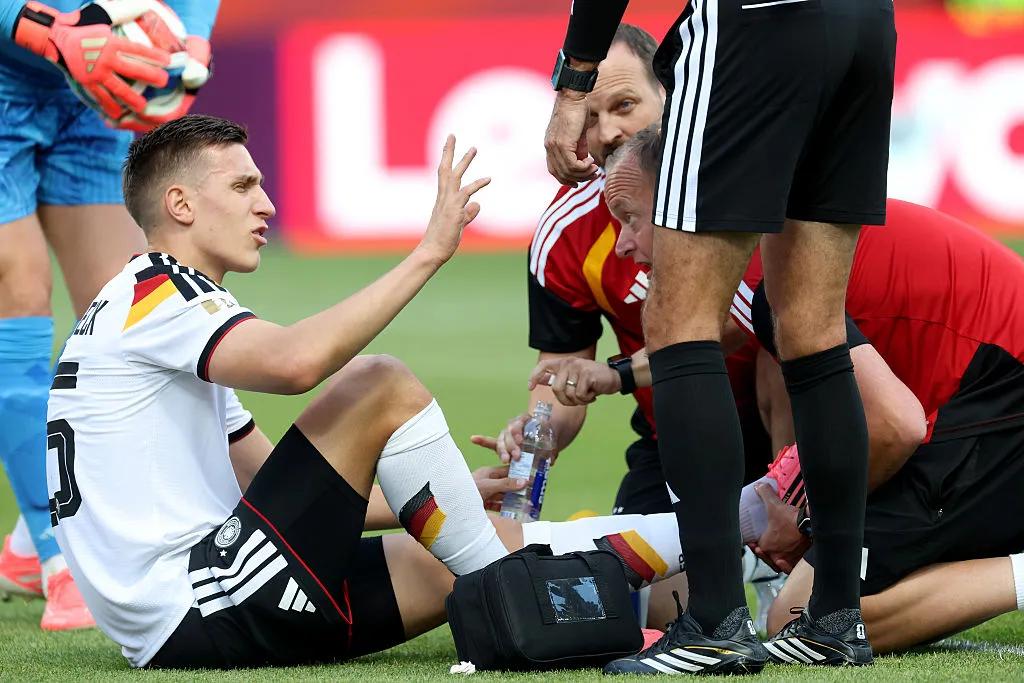
On the eve of the 2014 tournament in Brazil, Germany received devastating news. Marco Reus, one of their most creative attacking forces, suffered an injury that ruled him out of the squad. Many observers wondered whether Joachim Low’s team could compensate for the loss of a player who had been central to their qualifying campaign. The answer came in the weeks that followed, as Germany’s depth, tactical clarity, and collective mentality carried them all the way to a fourth world title. Reus was missed, but the squad absorbed the setback. A similar test of resilience has arrived at the 2026 FIFA World Cup (USA-Canada-Mexico). The Mannschaft have lost a commanding centre-half to an ankle injury sustained during a hard-fought group-stage win. Head coach Julian Nagelsmann now faces the challenge of reshuffling his back line while maintaining the momentum that has put Germany in a strong position. The temptation to panic is natural, yet history suggests that German squads are built precisely for these moments. The comparison with 2014 is instructive. Then, the blow came before the tournament and forced Low to rely on younger alternatives; now, the disruption occurs mid-competition, demanding mental freshness from replacements who have spent weeks waiting on the margins. Options such as Jonathan Tah, Antonio Rudiger, Waldemar Anton, and Malick Thiaw offer a blend of experience and athleticism, giving the coaching staff several ways to reshape the defensive block. What matters most is not the name on the absentee list but the mindset of those who remain. If Germany can repeat the spirit of 2014, this injury may be remembered as nothing more than a footnote. The squad has overcome adversity before, and it must do so again on the grandest stage of them all. The next test awaits at the 2026 FIFA World Cup (USA-Canada-Mexico).
🏟️ TEAMS
Missing a pillar: Germany’s 2014 blueprint offers hope after 2026 blow
HOME
VS
AWAY
?-?
POSS: 47% / 53%
SHOTS: 13 / 14