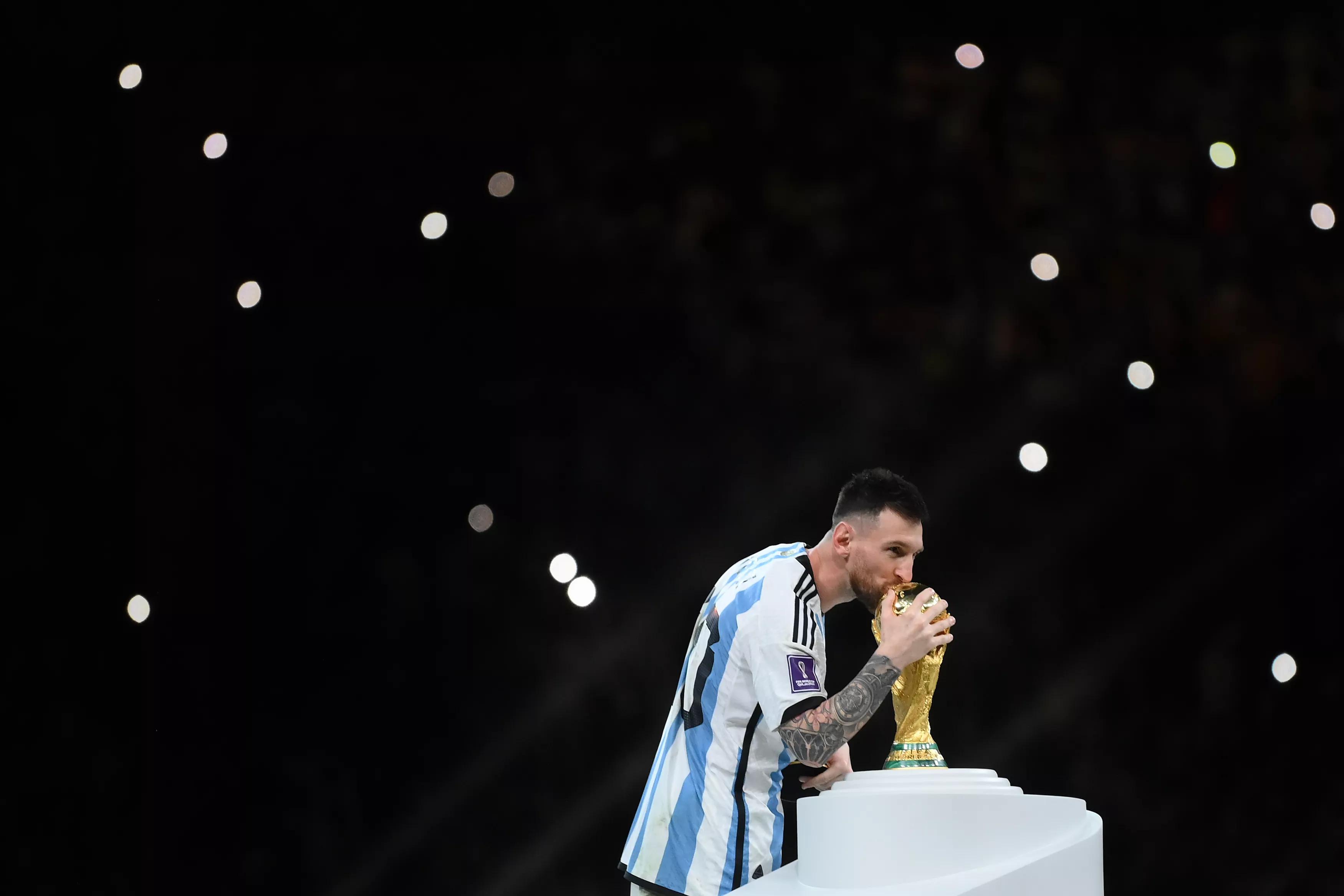
In 1986, Diego Maradona turned the FIFA World Cup in Mexico into a one-man exhibition. His dribble through England and his assist for Burruchaga against West Germany remain the defining images of a tournament that an individual appeared to bend to his will. Maradona did not merely score; he dictated tempo, unlocked defences, and carried the hopes of a nation that craved redemption. Statistics were secondary to spectacle, and his legacy was sealed by the trophy he lifted in the Estadio Azteca. Three and a half decades later, another Argentine genius is crafting a different kind of masterpiece. At the 2026 FIFA World Cup (USA-Canada-Mexico), Lionel Messi is not only leading the scoring charts but also rewriting the record books for appearances, consecutive matches with a goal, and overall victories. Where Maradona’s 1986 campaign was a concentrated burst of genius over seven matches, Messi’s 2026 story is the culmination of a twenty-year odyssey. He has already surpassed the all-time scoring record, overtaken the mark for wins, and become the oldest player to register a hat-trick at the finals. The comparison is both inevitable and imperfect. Maradona played in an era of brutal tackling, less protective refereeing, and fewer tactical systems designed specifically to stop him. Messi operates in an age of data-driven preparation, yet faces opponents who study his every move. What unites them is the ability to make the extraordinary look routine. Younger fans who never saw Maradona live are now witnessing a similarly transformative force, one who combines playmaking, finishing, and leadership in a single package. Whether or not the trophy returns to Buenos Aires, the statistical and emotional footprint of this campaign will endure. The baton passed from one generation to the next is now being carried with extraordinary grace at the 2026 FIFA World Cup (USA-Canada-Mexico).
⭐ PLAYERS
Thirty-six years apart: Maradona’s Mexico mastery and Messi’s ageless numbers
HOME
VS
AWAY
?-?
POSS: 54% / 46%
SHOTS: 18 / 6