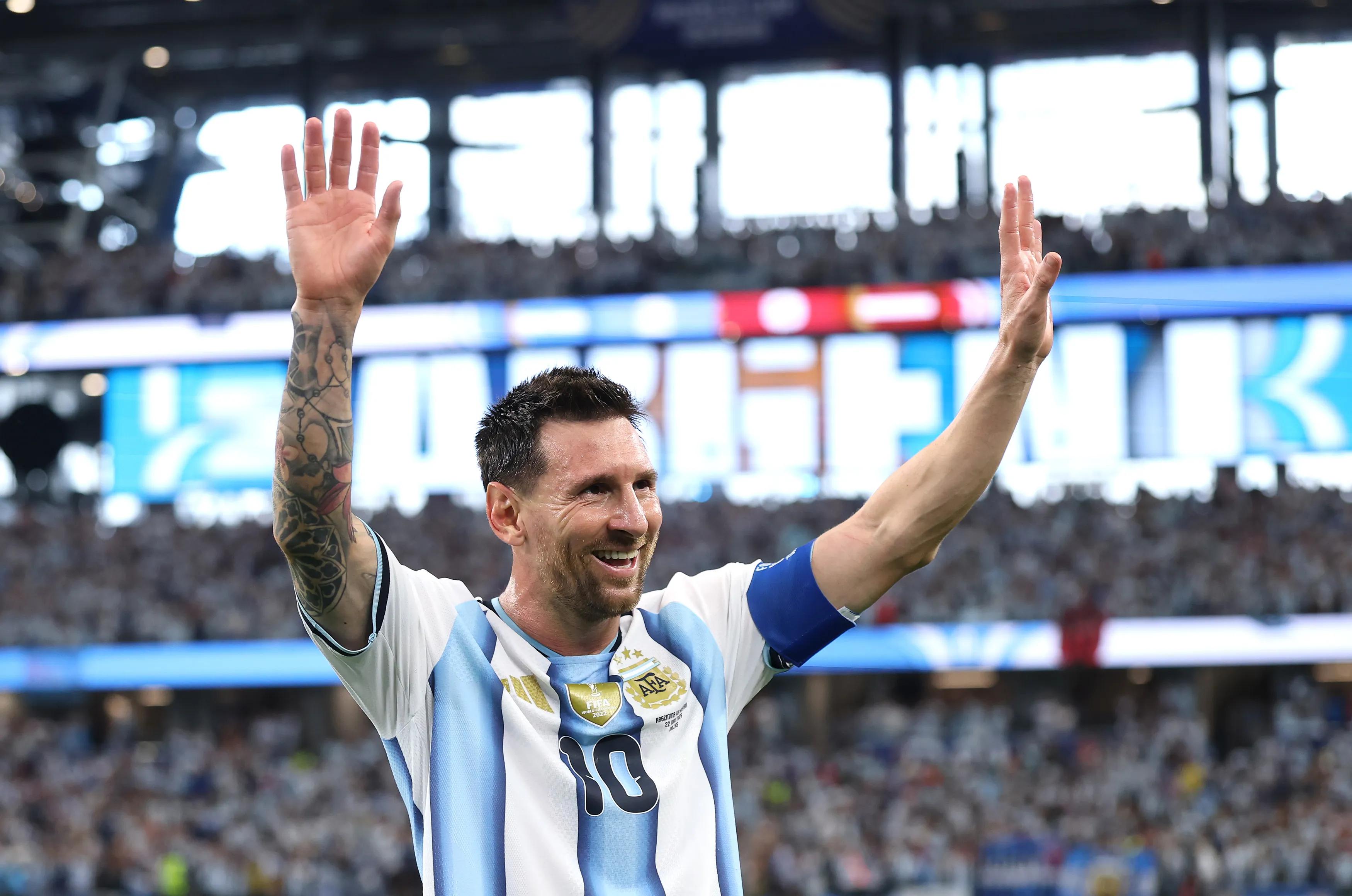
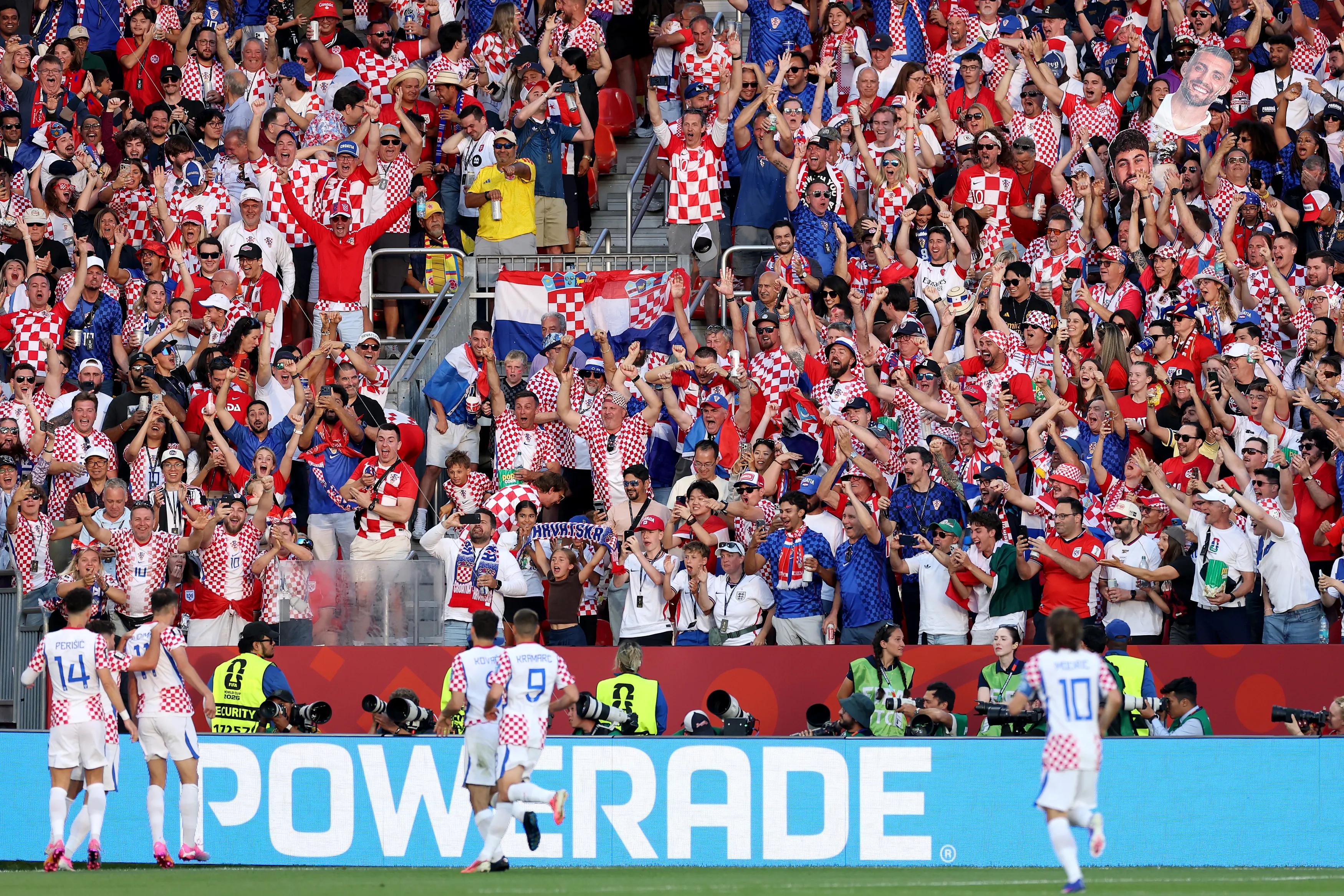
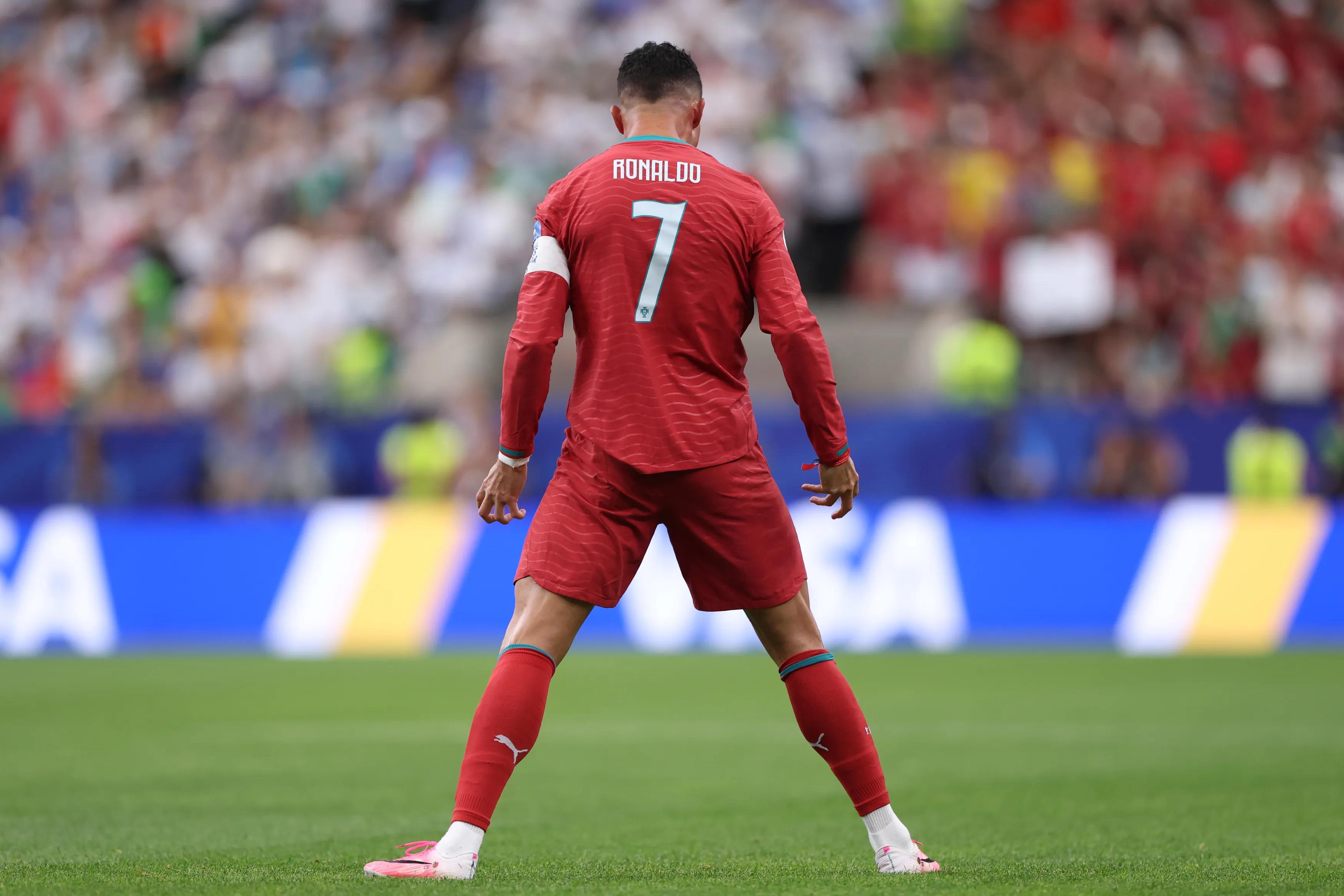
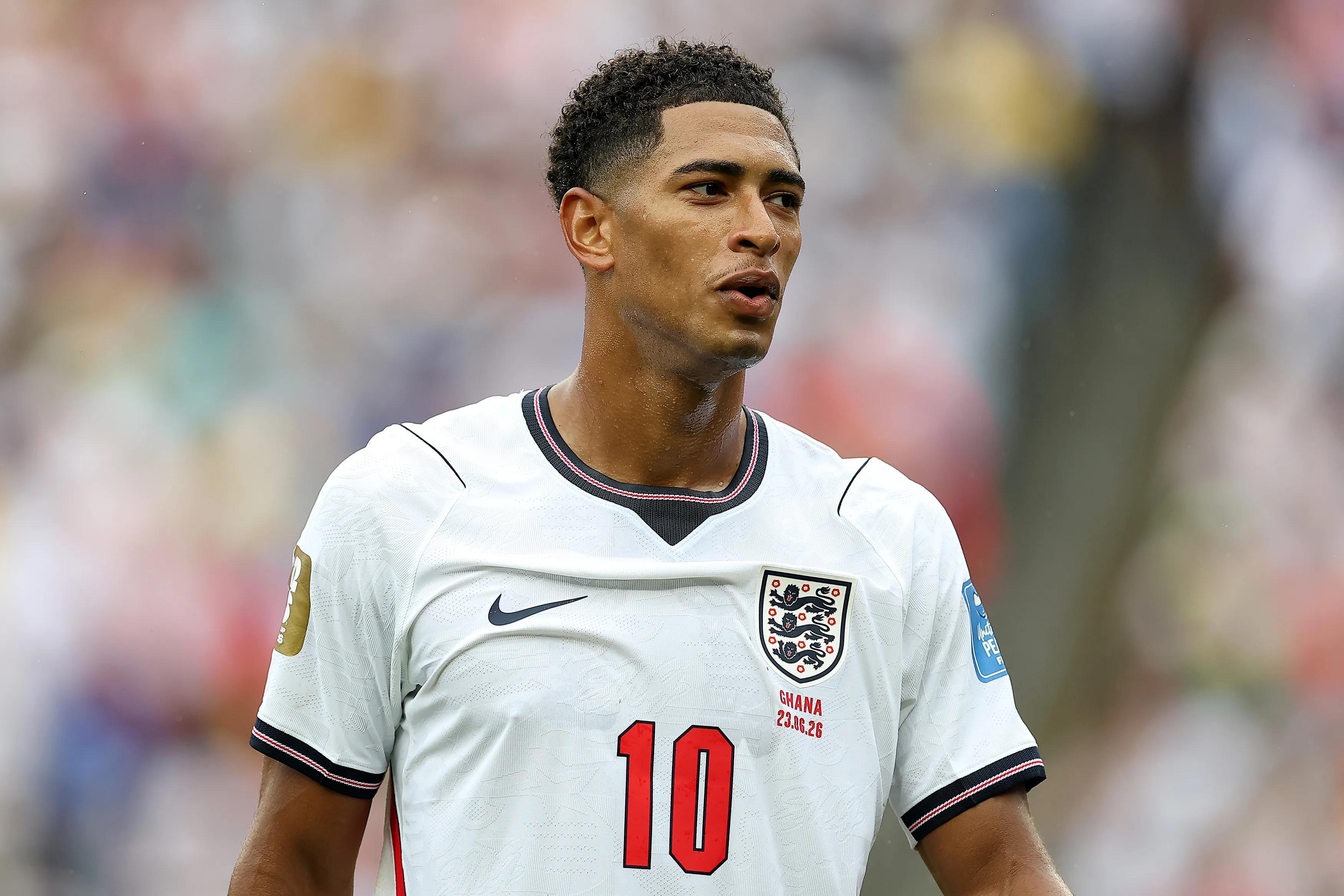
During the early 2000s, Brazil’s indefatigable right-back Cafu became the symbol of tournament durability. He played in three consecutive World Cup finals, lifting the trophy twice, and left the competition with sixteen victories, a figure that seemed unbeatable. His record was built on defensive discipline, endless running down the flank, and the good fortune of belonging to a golden generation that produced Ronaldo, Ronaldinho, and Rivaldo. For years, Cafu’s sixteen wins stood as the ultimate measure of sustained success on football’s grandest stage. The closest challenger for much of the following decade was Miroslav Klose, whose seventeen wins with Germany reflected both longevity and efficiency. Yet even Klose’s remarkable career did not change the fact that the benchmark was tied to teams that consistently reached the latter rounds. Winning matches at the World Cup requires not only individual brilliance but also collective resilience, tactical adaptability, and the ability to handle pressure across multiple tournaments. Today, a new name has moved to the summit. At the 2026 FIFA World Cup (USA-Canada-Mexico), Lionel Messi has already collected his eighteenth victory, overtaking Cafu and Klose in the process. The contrast is striking. Where Cafu’s wins were distributed across three tournaments as part of a dominant Brazilian machine, Messi’s victories have been carved out over six editions, often dragging Argentina through tight contests with moments of individual magic. The 2022 triumph in Qatar gave him a record-equalling haul, and now the defending champions are chasing history again. As the knockout rounds approach, every win adds another line to a legacy that now spans more than half the tournaments of this century. The race for the most victories in World Cup history has a new leader, and the story continues at the 2026 FIFA World Cup (USA-Canada-Mexico). Supporters in Buenos Aires and beyond will watch every pass and finish, knowing that history is being rewritten in real time.
🔥 HEADLINES
Cafu’s sixteen wins vs Messi’s march: Argentina chases Brazil’s benchmark
HOME
VS
AWAY
?-?
POSS: 50% / 50%
SHOTS: 16 / 17