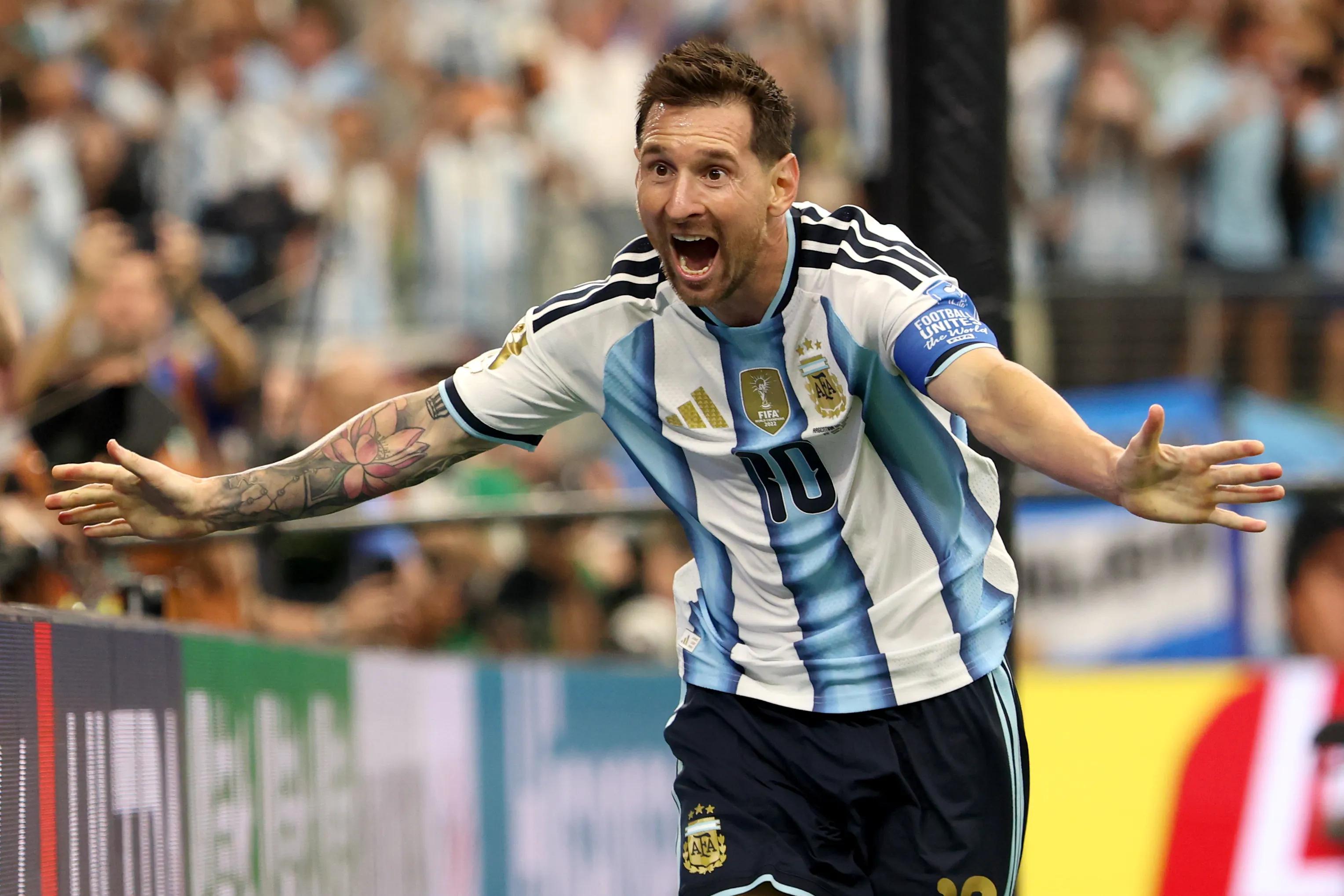
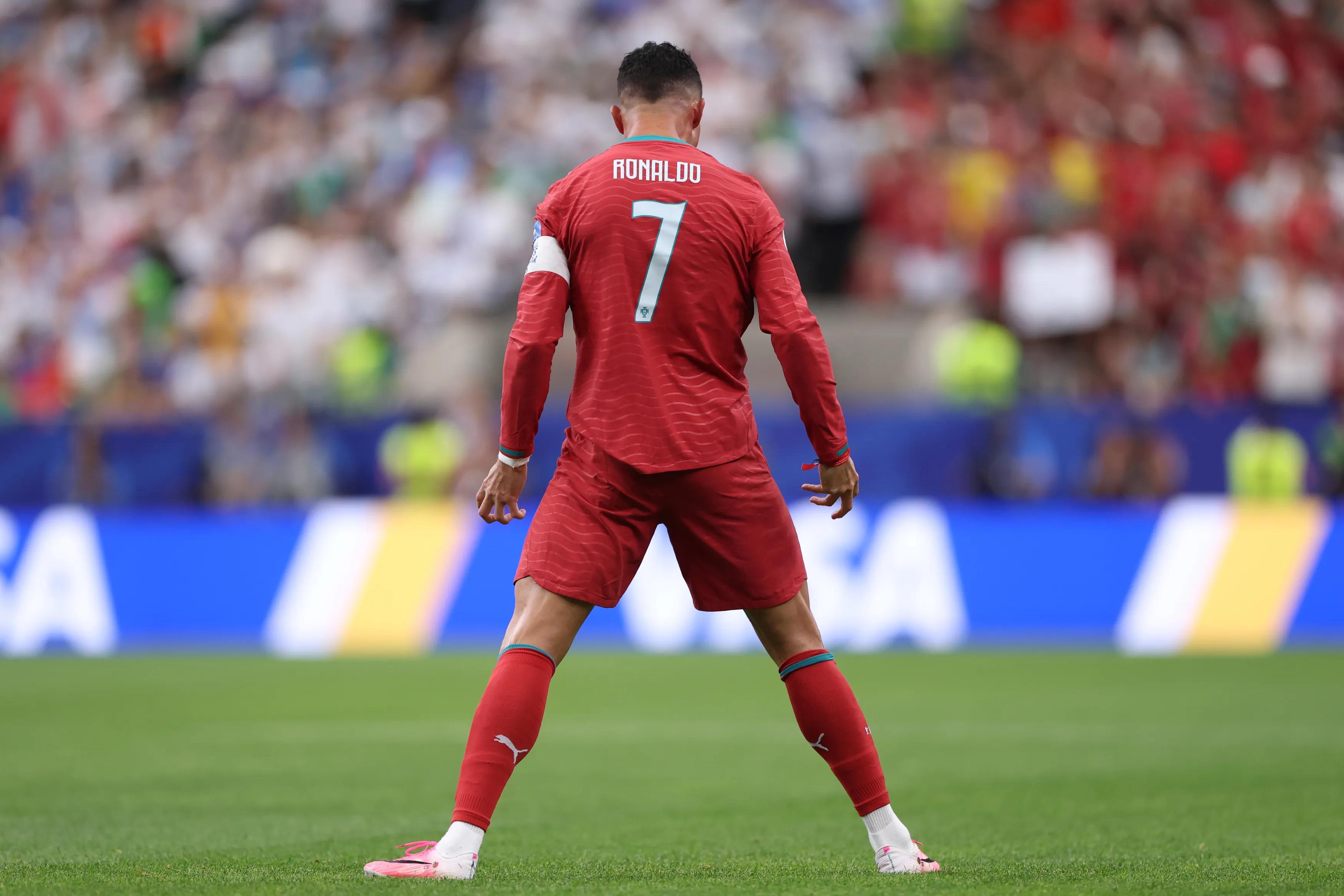
Long before Lionel Messi began scaling the all-time charts, a French forward named Just Fontaine set a benchmark that seemed untouchable. At Sweden 1958, Fontaine found the net thirteen times in just six appearances, a feat made more remarkable by the fact that he played with an injury and often created chances for himself. His record survived four tournaments and watched legends such as Gerd Muller and Ronaldo Nazario come and go. Fontaine’s reign was defined by efficiency and timing, a single glorious month that made him immortal. The crown then passed to a succession of greats. Gerd Muller’s predatory finishing in 1970 and 1974 pushed the mark to fourteen, before the Brazilian phenomenon known as R9 reached fifteen across three finals. Miroslav Klose eventually surpassed them all with sixteen goals spread across four tournaments, a model of consistency. Each era produced a different kind of scorer, yet all were united by the same pressure: to perform when the world was watching and to keep raising the bar. Now, at the 2026 FIFA World Cup (USA-Canada-Mexico), the record has changed hands again. The Argentine maestro moved past Klose with a hat-trick and a brace in his opening two matches, demonstrating that longevity and genius can coexist. Unlike the explosive bursts of Fontaine or Muller, this new record has been built across six tournaments and more than two decades of elite service. It is a different style of greatness, but the emotional impact is the same. Each record holder reflected the tactical trends and cultural moods of his era, yet all shared the same relentless hunger for goals. Every time the scoring chart is rewritten, football reminds us that no number is sacred. What began in Sweden in 1958 has now been redefined under the North American sun, and the next chapter of this timeless chase will be decided at the 2026 FIFA World Cup (USA-Canada-Mexico).
⭐ PLAYERS
From Fontaine to Messi: the scoring crown keeps changing hands
HOME
VS
AWAY
?-?
POSS: 60% / 40%
SHOTS: 18 / 6