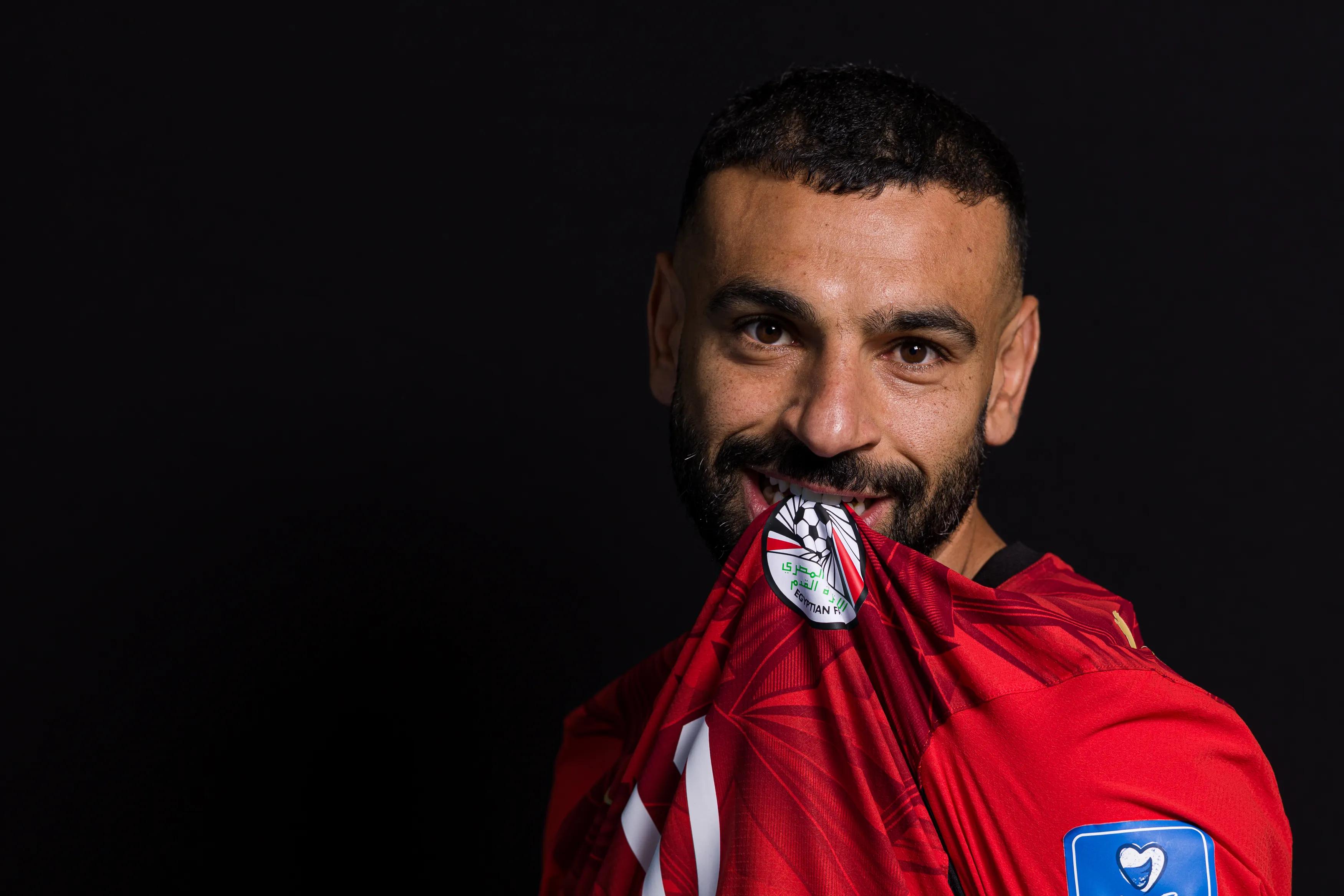
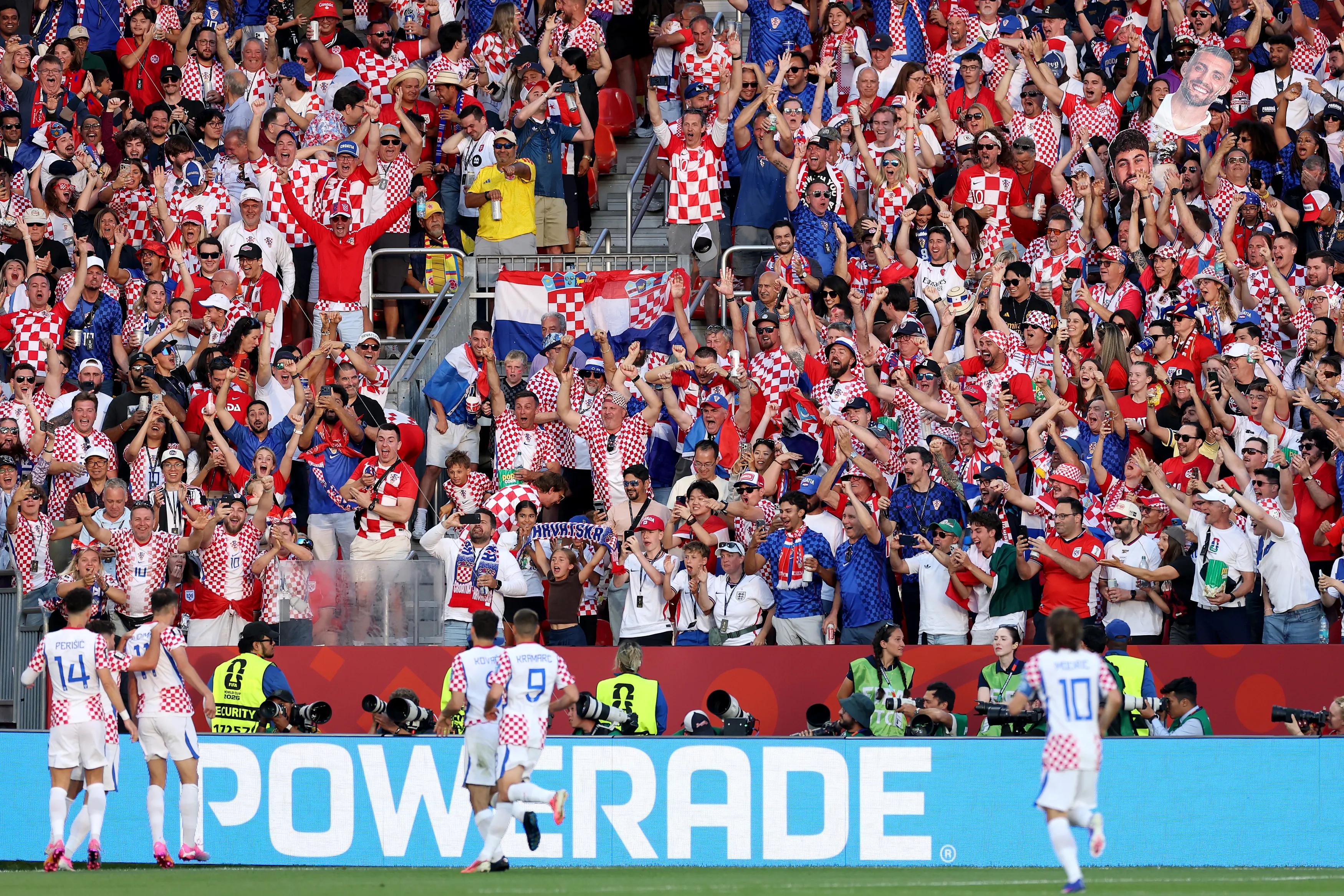
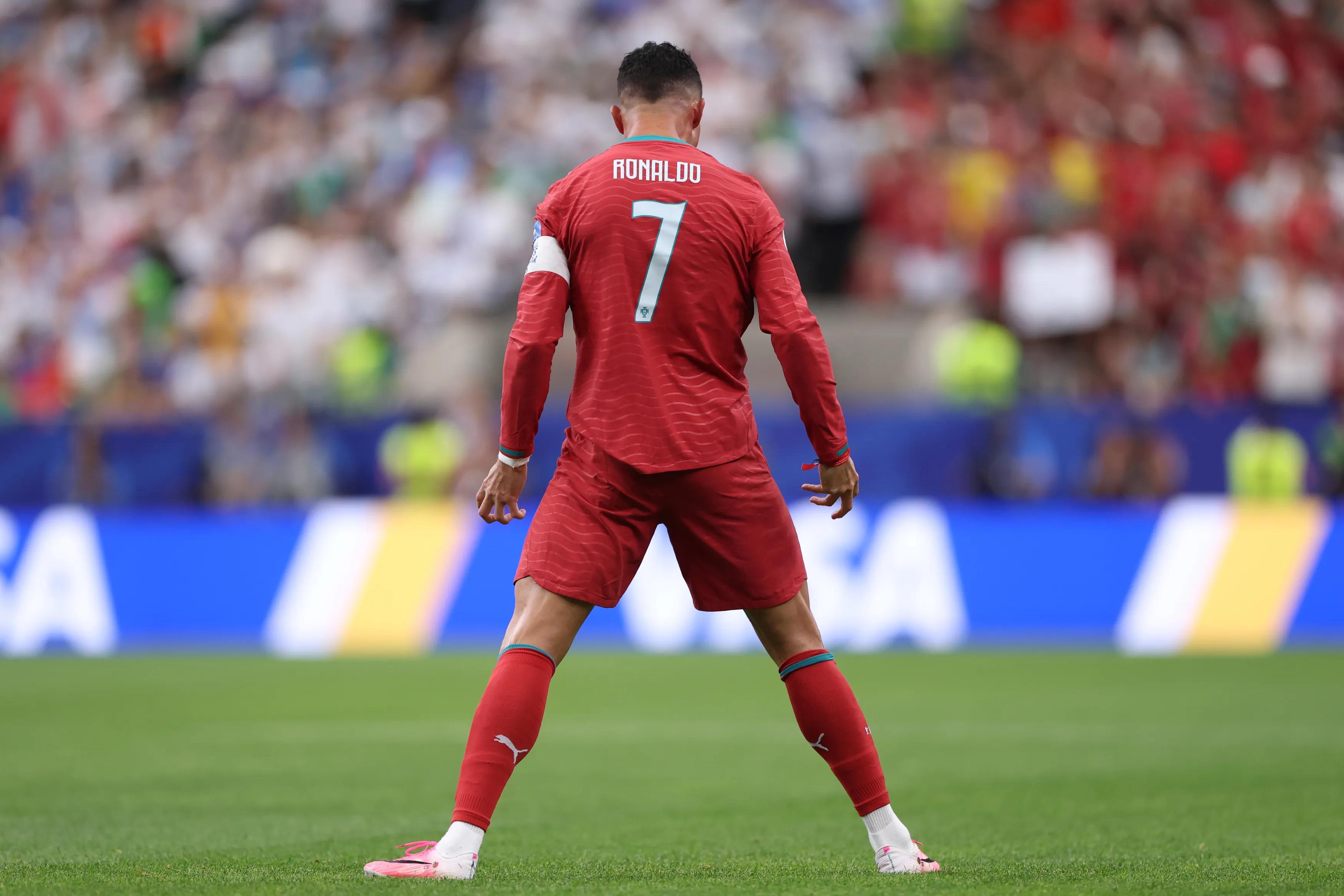
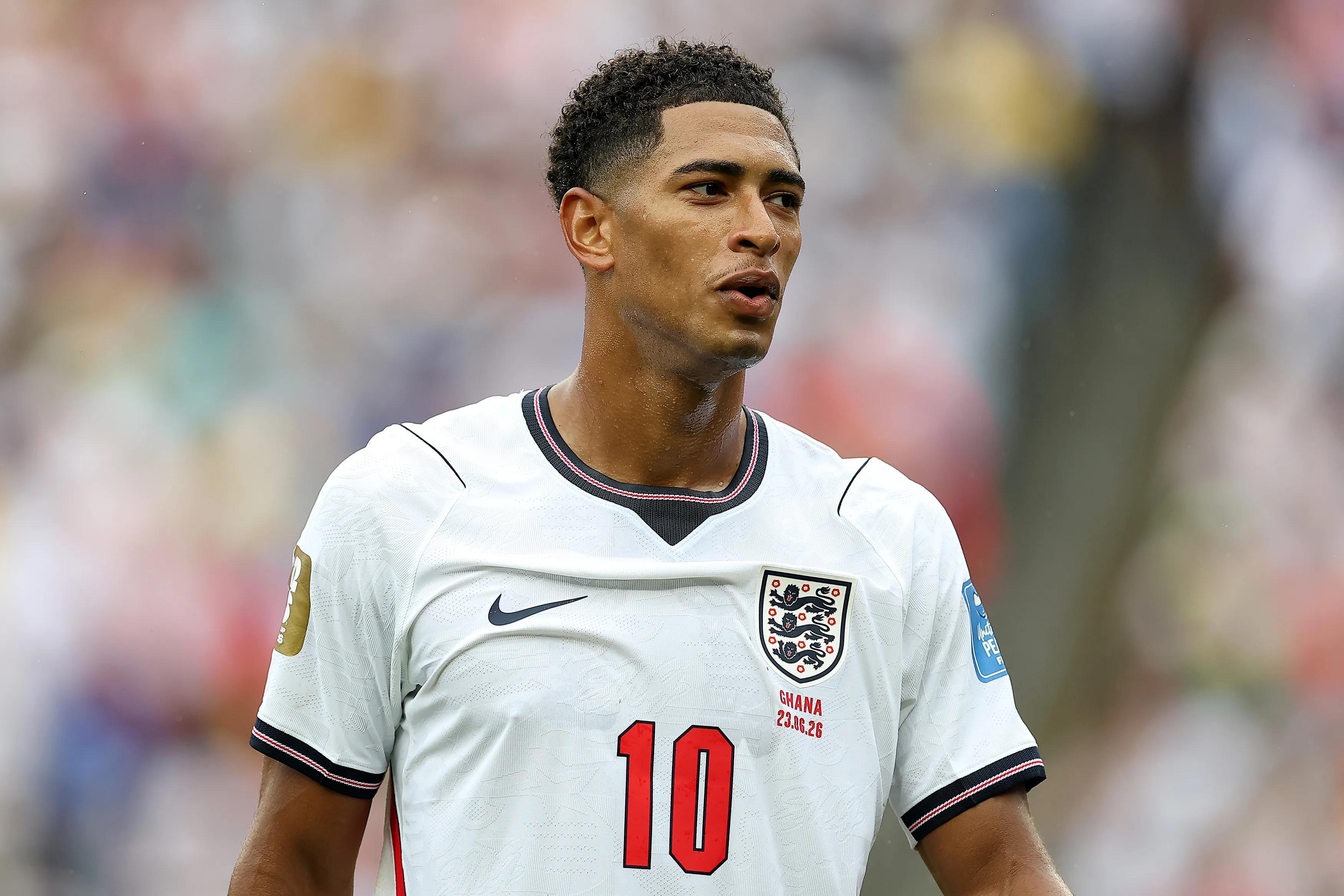
In the summer of 1990, a fearless Cameroon side marched into Italy and shook the football planet. Few gave them any hope against the reigning champions Argentina in the opening match, yet Francois Omam-Biyik’s header wrote one of the great underdog stories and launched an African team into the knockout rounds for the first time. Roger Milla’s dancing celebration against Colombia became the enduring image of a tournament that proved the established order could be rattled. Those Indomitable Lions were not expected to survive a group containing Romania and the Albiceleste, but their courage reshaped how the world viewed African football. Fast forward to the present, and another African nation is experiencing its own coming-of-age moment on the biggest stage. The North African squad arrived at the 2026 FIFA World Cup (USA-Canada-Mexico) carrying the weight of a continent’s expectations and a long history of near-misses. A dramatic first-ever global finals triumph, sealed by their inspirational forward, lifted them to the top of Group G and put qualification within reach. Just as Cameroon’s 1990 breakthrough was powered by collective belief and a talismanic veteran, this campaign has been defined by disciplined defending, rapid transitions, and the leadership of a global superstar. The parallels are impossible to ignore. Both teams entered their tournaments as outsiders, both defied sceptics in their opening fixtures, and both gave supporters reason to dream that an African side could go deeper than ever before. Yet the context has changed. Where Cameroon’s miracle was built on raw athleticism and surprise, this 2026 story benefits from modern preparation, tactical sophistication, and players competing at elite European clubs. The question now is whether the momentum generated by that historic victory can carry them past tougher assignments in the knockout rounds. Coaches across the continent have often pointed to 1990 as the moment African football announced itself; now, with stadiums filled across North America, another chapter is being written in real time. The players speak of responsibility rather than novelty, understanding that their result affects millions back home. That maturity is the clearest sign that African football has travelled far in three decades, and the journey continues at the 2026 FIFA World Cup (USA-Canada-Mexico).
🏟️ TEAMS
1990 Cameroon’s roar, 2026 Egypt’s reply: history repeats for Africa
HOME
VS
AWAY
?-?
POSS: 45% / 55%
SHOTS: 14 / 12