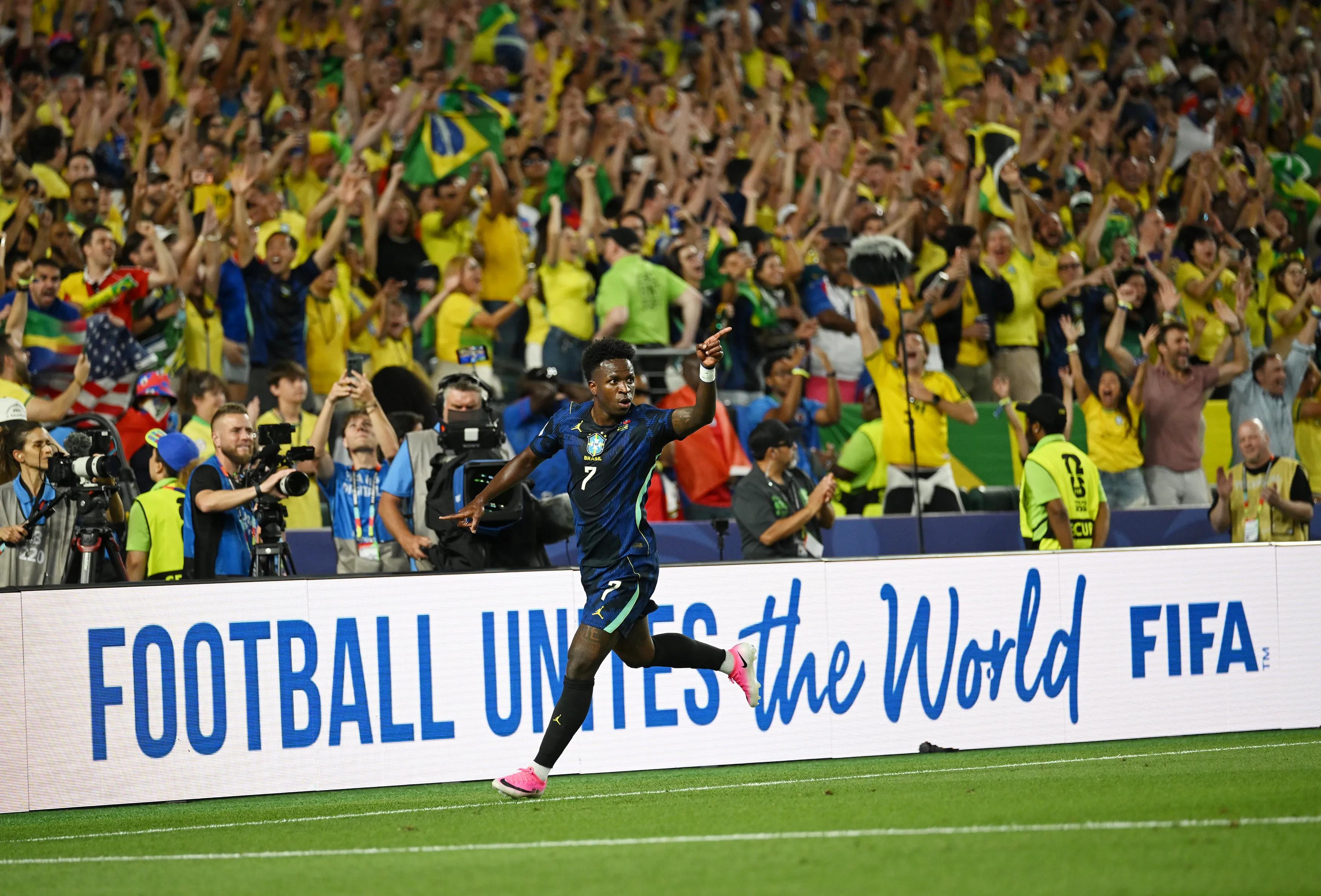
The opening night of the 1998 FIFA World Cup™ in Saint-Denis remains one of the most vivid memories in Scottish football history. Scotland walked onto the pitch as underdogs against the defending champions Brazil, and for long spells they refused to bow. Tom Boyd's own goal gave the Selecao the lead, but John Collins equalised from the penalty spot, and for a while the tartan faithful dared to dream. A second-half header by Cesar Sampaio eventually broke Scottish hearts, yet the performance became a symbol of stubborn pride that still resonates in Glasgow and Edinburgh. Now, on the final matchday of Group C at the FIFA World Cup 2026™ across the United States, Canada and Mexico, Scotland and Brazil prepare to face one another again. The stakes are different but no less dramatic. In 1998, Scotland needed a result to keep their campaign alive after losing the opener. In 2026, they meet in Miami with both sides still chasing a place in the Round of 32, Brazil eyeing top spot and Scotland needing points to avoid an early flight home. The temperature will be Floridian rather than Parisian, but the emotional temperature feels remarkably similar. The broader landscape of the group only deepens the sense of deja vu. In 1998, Morocco were Scotland's final opponents and the North Africans produced a stunning win that sent the Scots out. In 2026, Morocco are also in Group C, facing eliminated Haiti in Atlanta while the Brazil-Scotland clash unfolds. Mexico, the co-host, have already secured passage as group winners, much like France had done in 1998 on home soil. History does not repeat exactly, but it certainly rhymes across three decades and two continents. For the neutral observer, this is the joy of an expanded World Cup: old rivalries finding new arenas. Brazil arrive with a squad rebuilt after Qatar and a hunger to reclaim South American supremacy. Scotland arrive with a generation of Premier League regulars who grew up watching videos of that 1998 night. When the whistle blows in Miami, it will not merely be a group-stage decider; it will be a bridge between eras, proving that the FIFA World Cup 2026™ in North America is as much about inherited drama as it is about current ambition.
🔥 HEADLINES
1998 revisited: Scotland and Brazil meet again on a knife-edge in North America
HOME
VS
AWAY
?-?
POSS: 56% / 44%
SHOTS: 17 / 8