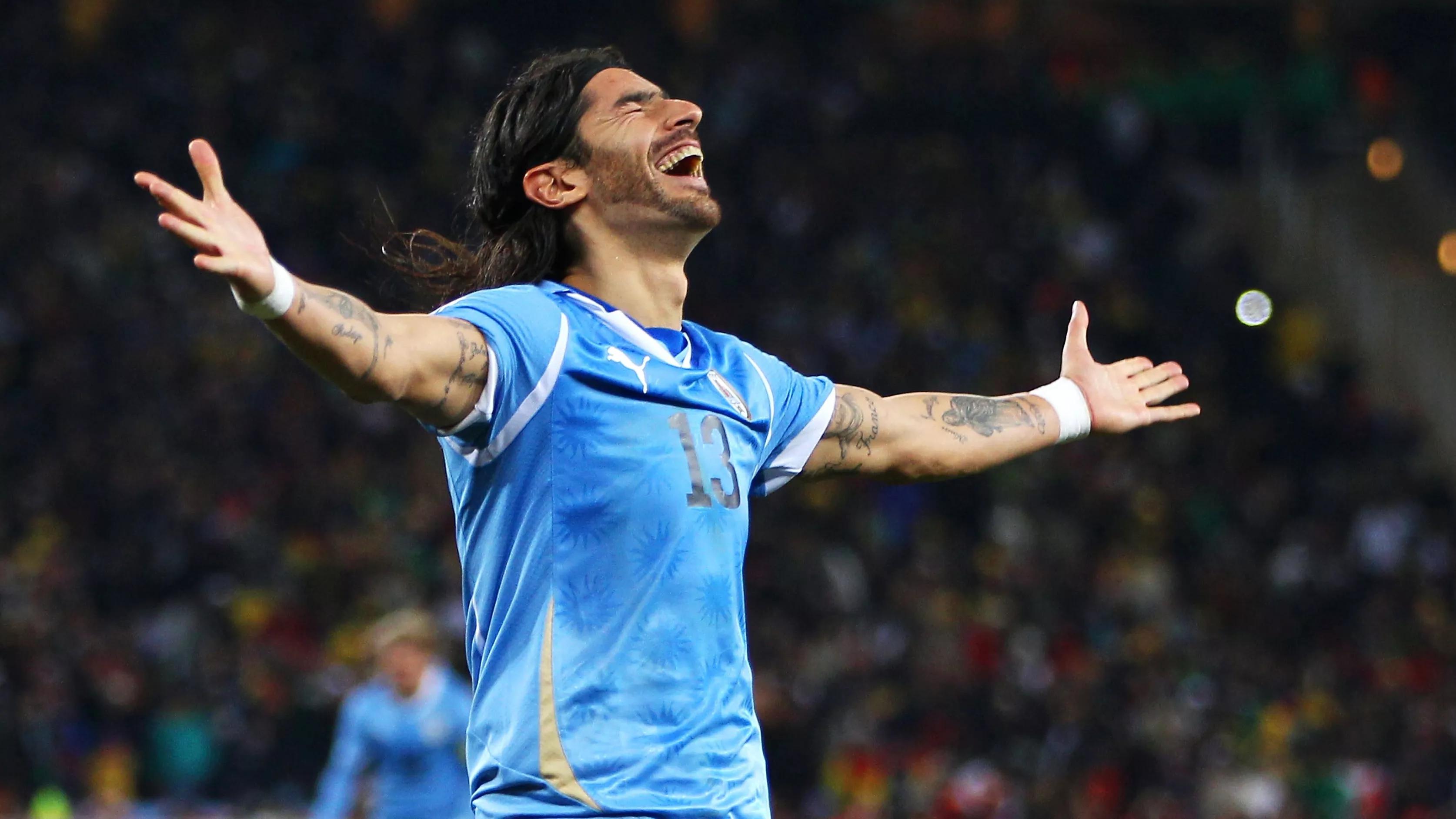
Some penalties are never forgotten. In 2010, at Soccer City in Johannesburg, Sebastian Abreu walked toward the spot in a World Cup quarter-final shoot-out against Ghana with the hopes of a nation of three million resting on his shoulders. Instead of blasting the ball, he produced a Panenka so audacious it seemed to hang in the air before dropping gently over the line, sending Uruguay to the semi-finals and himself into football immortality. Fifteen years later, Abreu watches the 2026 FIFA World Cup unfold in the United States, Canada and Mexico and sees a Celeste side at another crossroads. Marcelo Bielsa's Uruguay have begun the tournament with two draws—one against a Middle Eastern surprise package and another against a determined Atlantic island nation—leaving them with work to do in their final group match. Abreu, now coaching in Mexico, believes the talent is abundant but the intensity must rise if Los Charruas are to replicate the journeys of 2010 or even the glorious 1950 champions. His words carry weight because he has lived the tournament's highest pressure. The comparison between generations is both inspiring and sobering. The 2010 side had Diego Forlan's artistry, Luis Suarez's desperation and Abreu's ice-cold nerve. The 2026 squad boasts younger legs and modern athleticism, yet it must still discover the same collective courage. As the group stage reaches its conclusion in North America, Uruguay know that history offers no guarantees, only invitations. Abreu's Panenka proved that the smallest moment can define a lifetime. Now it is someone else's turn to seize one. The 2010 Panenka was not merely a penalty; it was a declaration that Uruguay could outthink as well as outfight the world's best. The 2026 team must recover that same clarity if it hopes to survive a competitive group. As the FIFA World Cup unfolds across the United States, Canada and Mexico, Abreu's legacy stands as both inspiration and pressure: someone, somewhere, must be brave enough to take the next decisive spot-kick.
🏟️ TEAMS
From Johannesburg to North America: Abreu's Panenka Still Echoes in 2026
HOME
VS
AWAY
?-?
POSS: 49% / 51%
SHOTS: 6 / 16